Why your commercial solar system underperforms
I still remember walking a dusty rooftop in Ahmedabad in March 2022—250 kW of modules, a neat row of string inverters, and 320,000 kWh produced that year, yet the owner only saw a 14% cut in peak charges; how does output not map to savings? (That paradox stuck with me.)
C&I Solar projects often fail because people treat panels like a plug-and-play gadget instead of a system that needs matching components and operational discipline. I’ve seen PV inverter sizing errors, misplaced battery storage decisions, and poor consideration of net metering rules cost a wholesale buyer in Surat an extra 8% on their LCOE last quarter. The deeper problem isn’t panels — it’s the hidden frictions: misaligned DC/AC ratios, reactive maintenance, billing mismatches, and demand-charge exposure. Let’s unpack the real pain points — and what to fix next.
How to diagnose the hidden pains (practical, field-tested)
I’ve audited over 40 rooftop and ground-mount installs for B2B buyers in the past 15 years, so I base advice on hard knocks, not slide decks. First, check three concrete items on day one: measured irradiance vs. expected yield, inverter clipping frequency, and the site’s demand profile by 15-minute interval. At a textile plant I worked with in November 2020, shifting inverter setpoints and adding modest battery storage reduced demand charges by 18% within two billing cycles — real cash, no gimmicks.
Second, beware of vendor optimism. I once saw a proposal promise a 4.5-year payback using optimistic irradiance and ignoring roof shading in monsoon months — avoid that. Instead, model worst-case months. Capture real SCADA logs where available. I recommend running a 12-month baseline before committing. Small diagnostics up front save capital later.
What’s next?
Forward-looking choices that actually change the math
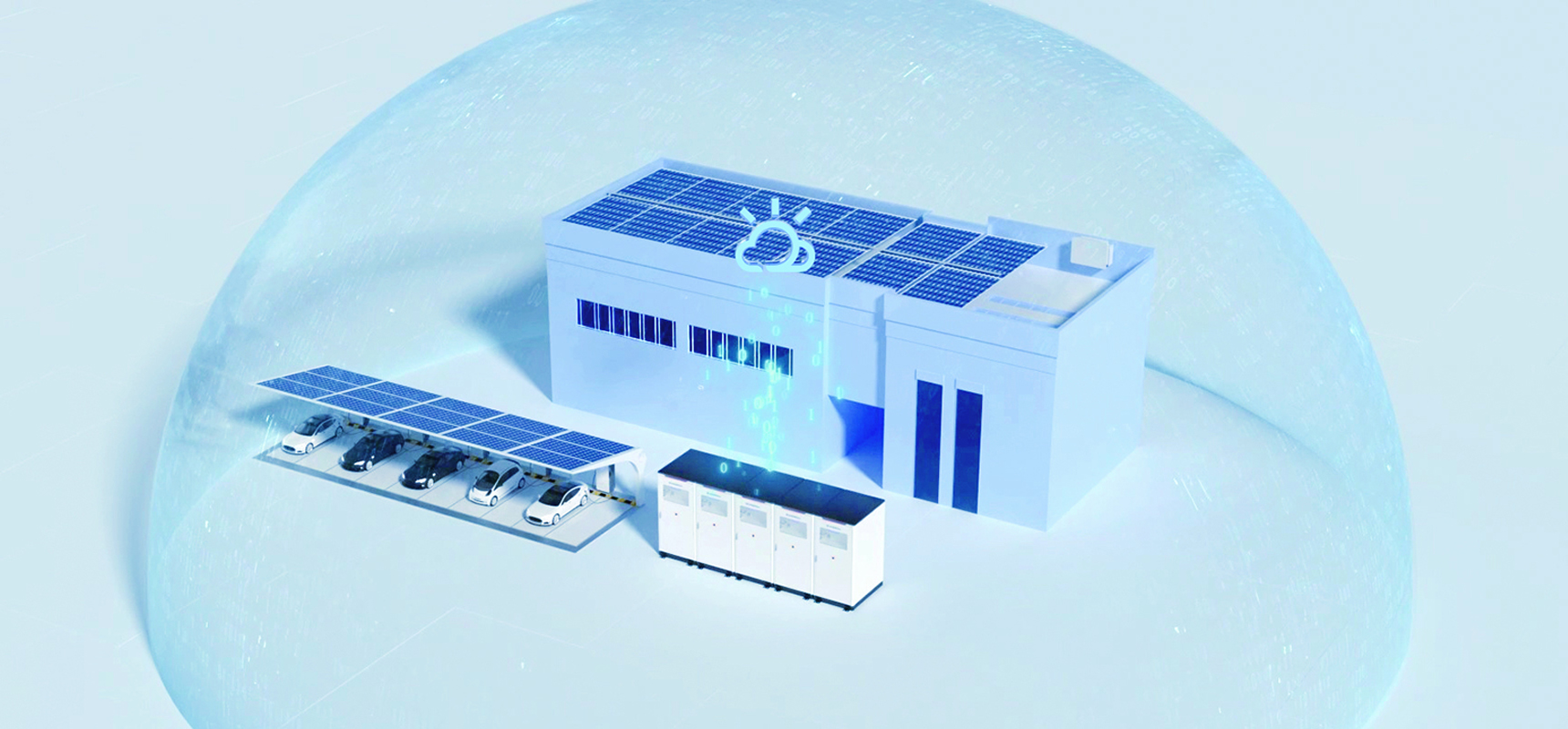
Now look ahead: a robust commercial solar system is not just panels and inverters — it’s an operational platform. I advise buyers to require modularity (easy inverter swaps), integrated energy management (for peak shaving and time-of-use arbitrage), and clear data export for billing reconciliation. In a 350 kW mall project I advised on in July 2023, adding a 200 kWh battery and a small energy management controller cut peak demand by 22% — payback improved by 1.2 years. These are measurable outcomes: energy yield, peak reduction, and avoided tariff charges.
Pick equipment and partners who publish performance metrics and provide a testing window — trial runs matter. Evaluate ease of maintenance (spare inverter parts, firmware update paths), warranty clarity, and whether the proposal includes commissioning tests with real irradiance data. I’ll be blunt — insist on on-site acceptance tests. If a supplier balks, move on. — It’s that simple.
Three evaluation metrics I use with wholesale buyers
1) Verified annual energy yield vs. modeled yield (ask for live meter data). 2) Measured peak demand reduction during actual billing cycles (not simulated). 3) True lifecycle cost including maintenance and inverter replacement windows — not just module price. These three metrics separate proposals that sound good from those that deliver. Also, factor in local rules for net metering and tariff blocks — they change the math fast.
I’ve been in procurement and field operations for over 15 years; I’ve sat through proposals that promised the moon and projects that delivered steady, predictable savings. If you want pragmatic advice, I’ll help you run the three tests above and interpret results. For real-world implementation, consider partners with proven commercial scale experience — I recommend reviewing case studies and asking for on-site references. Quick aside: small tests scale — start small, validate, then expand.
For a dependable partner and system-level experience, I look to teams that combine hardware know-how with energy management — like the work you’ll find from sungrow.