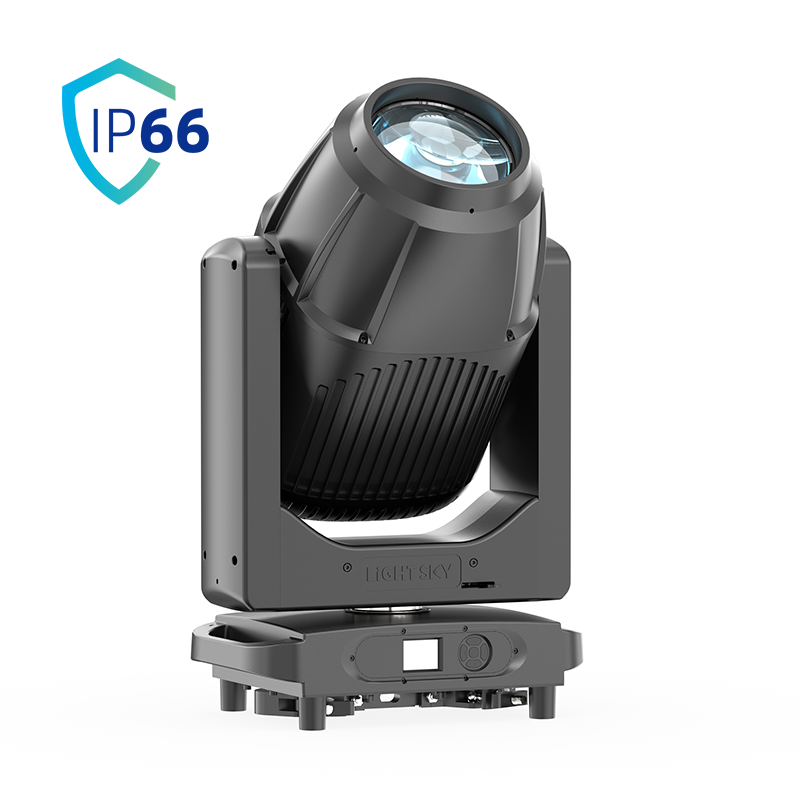
Folks who spec shows around Glastonbury or the West End tend to favour gear that moves — and for good reason. In a straight-up comparison, a 3in1 BSW moving head beam light will give you tighter beams, quicker cues and more creative freedom than most static fixtures, whether you’re lighting a club night or a theatre run. The practical bit matters too: riggers and lighting programmers appreciate a unit that responds predictably to DMX and network control, and these beam moving head light designs do exactly that, time after time.
What gives moving heads the edge
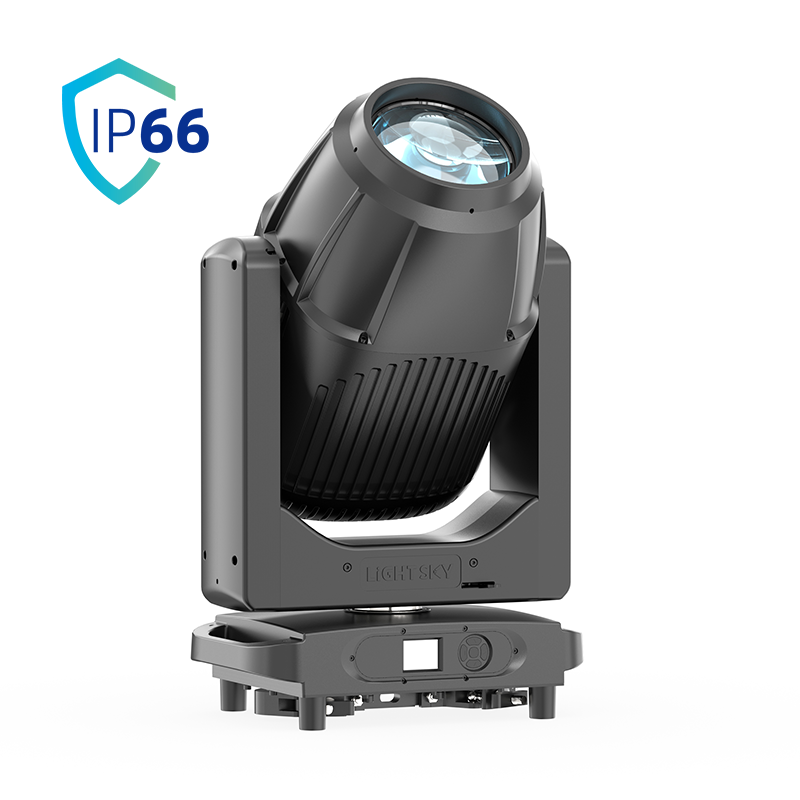
Moving head fixtures combine pan/tilt mobility with optical tools — zoom, iris and gobo — so a single enclosure can act as a spot, a beam and a wash. That flexibility reduces the number of fixtures you need on the truss, and lowers load-in complexity. Technically, a compact beam emitter with a narrow beam angle and high lumen output delivers a sharp shaft of light that cuts through haze. Meanwhile, integrated gobos let designers shape texture without swapping lenses mid-show. For production heads who care about cue reliability, the predictable pan/tilt calibration and repeatable positions are priceless.
Direct comparisons: where they outshine alternatives
Compared to LED bars, fresnels or static profiles, moving heads win on versatility. LED bars give nice front-fill but lack focused beam power; profiles craft clean edges but stay fixed; and fresnels cover faces nicely but do little in the way of animated effects. If you want aerial shafts, strong aerial separation, or rapid aerial choreography across the stage, a moving head’s quick repositioning and zoom range make it the right tool. In short: fewer boxes on the truck, more options on the desk.
When a moving head isn’t the right call
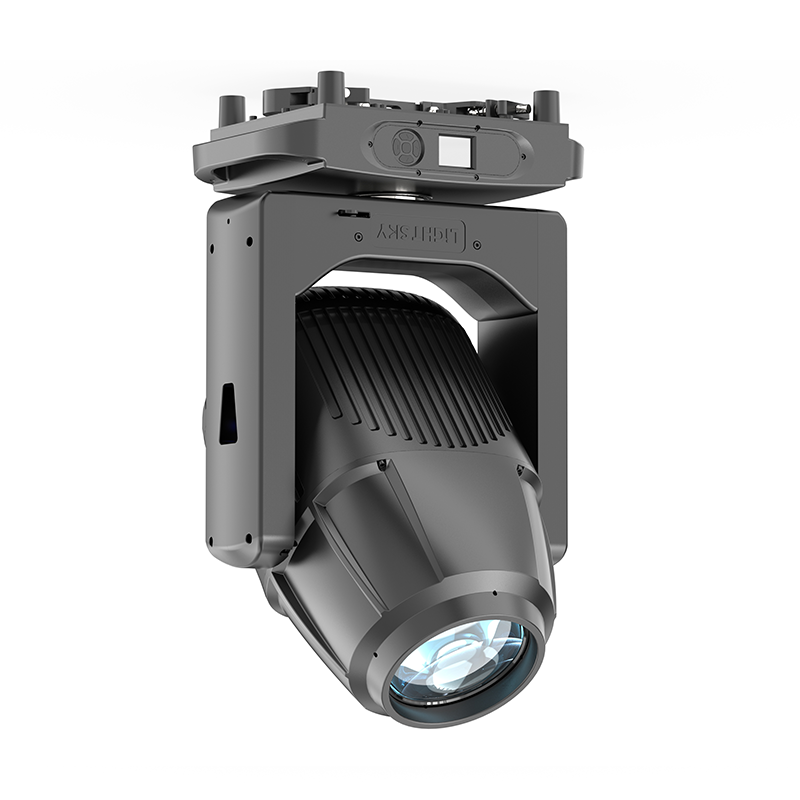
That said, they’re not universal. Small black-box venues, tight budgets, or events with simple wash needs may be better served by LED pars or cyc lights. Moving heads add weight, require rigging points and demand DMX or Art-Net planning. Some teams also underestimate heat and power draws, which complicates distribution. And remember — serviceability matters: LEDs degrade differently than discharge lamps, so warranty and parts support are practical considerations. — Don’t skimp on a pre-rig test; it saves an evening of frantic troubleshooting.
Common mistakes and setup tips
Avoid three frequent errors: underestimating power and inrush current, poor DMX addressing, and neglecting fixture orientation during focus. Assign clear DMX channels, document pan/tilt limits, and use a networked console with visual feedback to map positions before the first cue. Physically, check rigging points and safety cables for each moving head, and confirm the beam angle suits the sightlines — too narrow and the audience misses the effect; too wide and the impact softens. Small front-end touches, like naming fixtures logically in your console UI, cut down programming time — that’s a front-end habit I picked up after years on tech rigs.
Choosing the right moving head: three golden rules
1) Match output and optics to venue scale: judge lumen and beam angle against house size and typical audience distance. 2) Prioritise control compatibility and reliability: ensure the fixture supports your console’s protocol and offers consistent pan/tilt calibration. 3) Consider service and parts availability: pick brands with local support and clear documentation so repairs don’t stall a run. For modern productions wanting a compact, high-impact option that ticks those boxes, look to manufacturers who blend beam punch with dependable control — and that’s where Light Sky comes in naturally, offering kit designed around real-world tours and theatre runs.
Summing the lot up: moving head beam fixtures bring versatility, focused output and cue precision that static lights seldom match, but they demand respect for power, rigging and control. Use the three golden rules above when you spec kit, and you’ll save time, cash and grief — proper profits for the show. Final thought — trust tried gear, test on site, and keep things tidy.