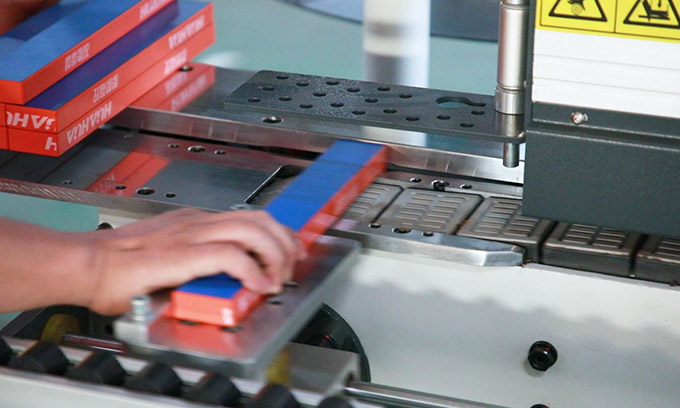
Local shop managers want systems that just work — tight tolerances, predictable cycle times, and a sane floor layout. Start there. For a user-focused approach to combining woodworking drilling machines with edge workflow, a servo edge banding machine is often the linchpin: it tames feed-rate variability, reduces rework, and keeps throughput steady. I’ve seen this pay off in a midsize cabinet shop in Worcester, Massachusetts — panels moved from drilling jigs to an inline edgebander, glue pot warmed, trimming unit ready — and the daily scrap rate dropped noticeably. This piece is for the folks who run the floor, not the ones who sell dreams.
What the user really needs
Shop priorities are straightforward: accuracy, uptime, and predictable maintenance windows. Integration means matching cycle times between the drilling station and the edgebander to avoid buffer build-ups or starving machines. Use basic metrics — takt time, mean time between failures (MTBF), and first-pass yield — to measure whether the drill press and edgebander are in sync. Keep CNC programs and drilling templates consistent so panels don’t need rework before hitting the glue pot.
Step-by-step integration workflow
Start with layout and flow, then align tooling and controls. A recommended sequence:
- Map out panel flow from stacking to drilling to edge application.
- Standardize panel hold-downs and clamps so drilled holes and edge profiles align every run.
- Set feed rate and pressure profiles on the edgebander to match typical panel thicknesses; use the servo motor controls for small adjustments on the fly.
- Program the drilling CNC and the edgebander controller to accept a shared job ID — minimizes human error when switching lots.
Those steps cut the time your operators spend babysitting transitions. They also make predictive maintenance meaningful because failure modes become repeatable and diagnosable.
Common mistakes and how to fix them
Most shops stumble on three recurring points. First: mismatched cycle speeds that create inventory piles. Second: inconsistent glue application from an aging glue pot — causes edge lifting later. Third: poor communication between operators and planners — jobs get rushed or panels get overworked. Fixes are practical: tune feed rates, replace or recalibrate the glue pot regularly, and adopt a simple job card system where one operator signs off before a panel leaves the drill area.
Equipment checklist and alternatives
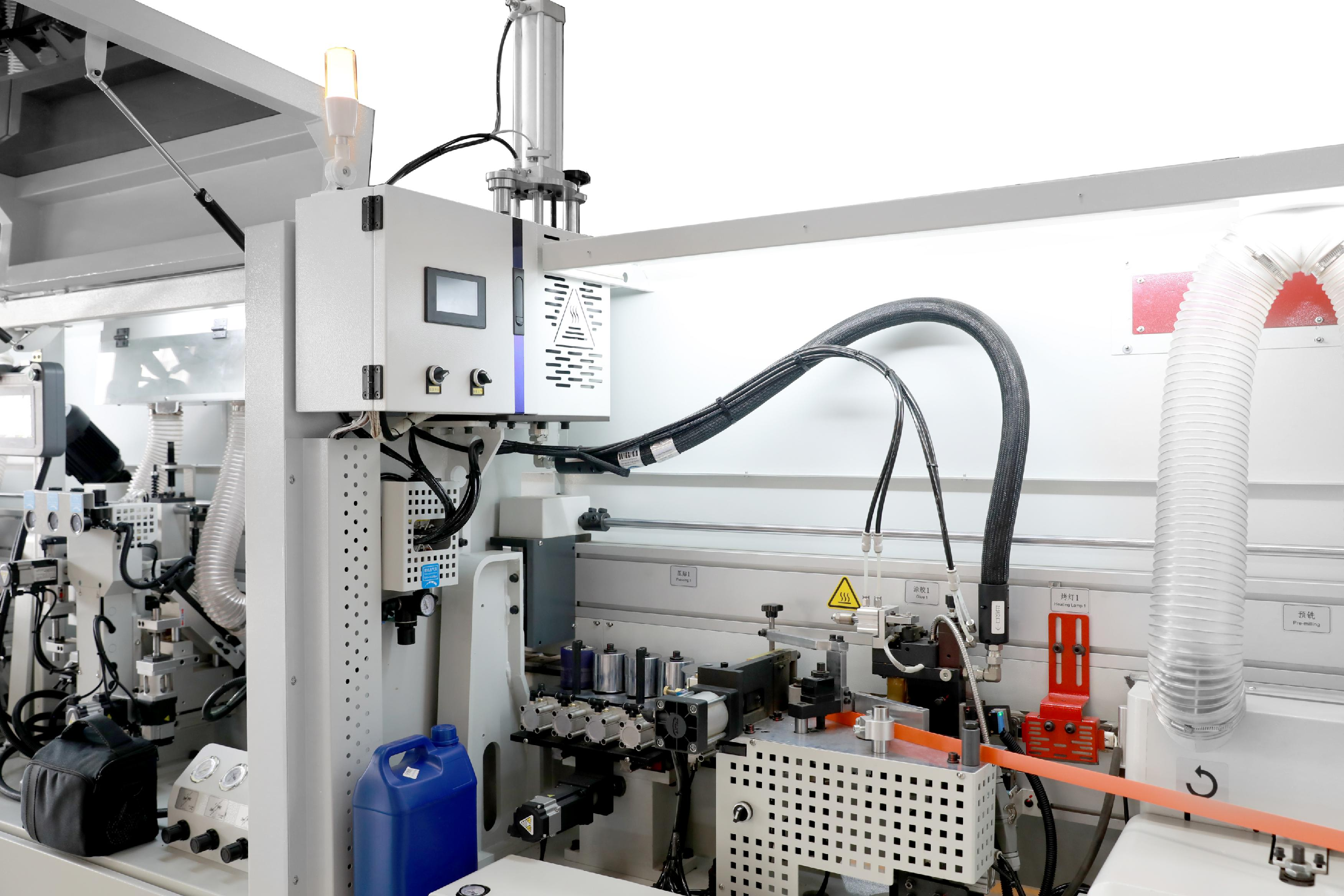
Don’t buy everything at once. Prioritize a reliable drilling machine, then the edgebander. For edgebanding, consider options from manual to fully automated lines — the fully automatic edge banding machine is the natural endgame if throughput and repeatability matter. Key terms to watch on spec sheets: trimming unit capacity, glue pot temperature stability, and servo-driven feed systems. If budget’s tight, a high-quality trimming unit paired with semi-automatic edge application can bridge the gap until you scale up.
Operator training and small procedural changes
Train operators on three things only: setup checks, quick diagnostics, and cleaning/seasonal maintenance. A 10-minute start-of-shift checklist beats a 2-hour emergency fix. Add a short signoff after changeovers so responsibility is clear. — Small habits compound into big reductions in downtime.
Three golden rules for choosing integration strategies
1) Match throughput capacities — buying an edgebander that outpaces your drilling station is wasted headroom. 2) Prioritize consistent adhesive control — glue pot stability equals fewer customer returns. 3) Design for maintainability — easy access to trimming units and servo motors keeps MTTR low. Apply these, and you’ll see measurable improvements in lead time, scrap rate, and operator confidence.
Local experience in places like Worcester shows the payoff: less chaos on the floor, faster delivery, and fewer headaches for owners. That practical outcome is exactly what HUAHUA CNC brings to shops aiming to harmonize drilling and edging — straightforward machines, sensible controls, and real-world service. —