Introduction: A Porch Light, a Storm, and a Better Way
I remember a wet evening in Ningbo, October 2022, when the street went dark and my client’s porch light stayed on. Residential energy storage systems kept that small glow alive while neighbors fumbled with candles. In that moment, I thought about how a china residential energy storage system can turn a house into a calm island—quiet, steady, ready. The utility dashboard we pulled later showed a clean 37% cut in peak usage over the week, with the battery holding a tight state of charge window between 35% and 85%. But what does that number mean for a family budget, or a solar installer’s promise, when bad weather rolls in and rates spike?
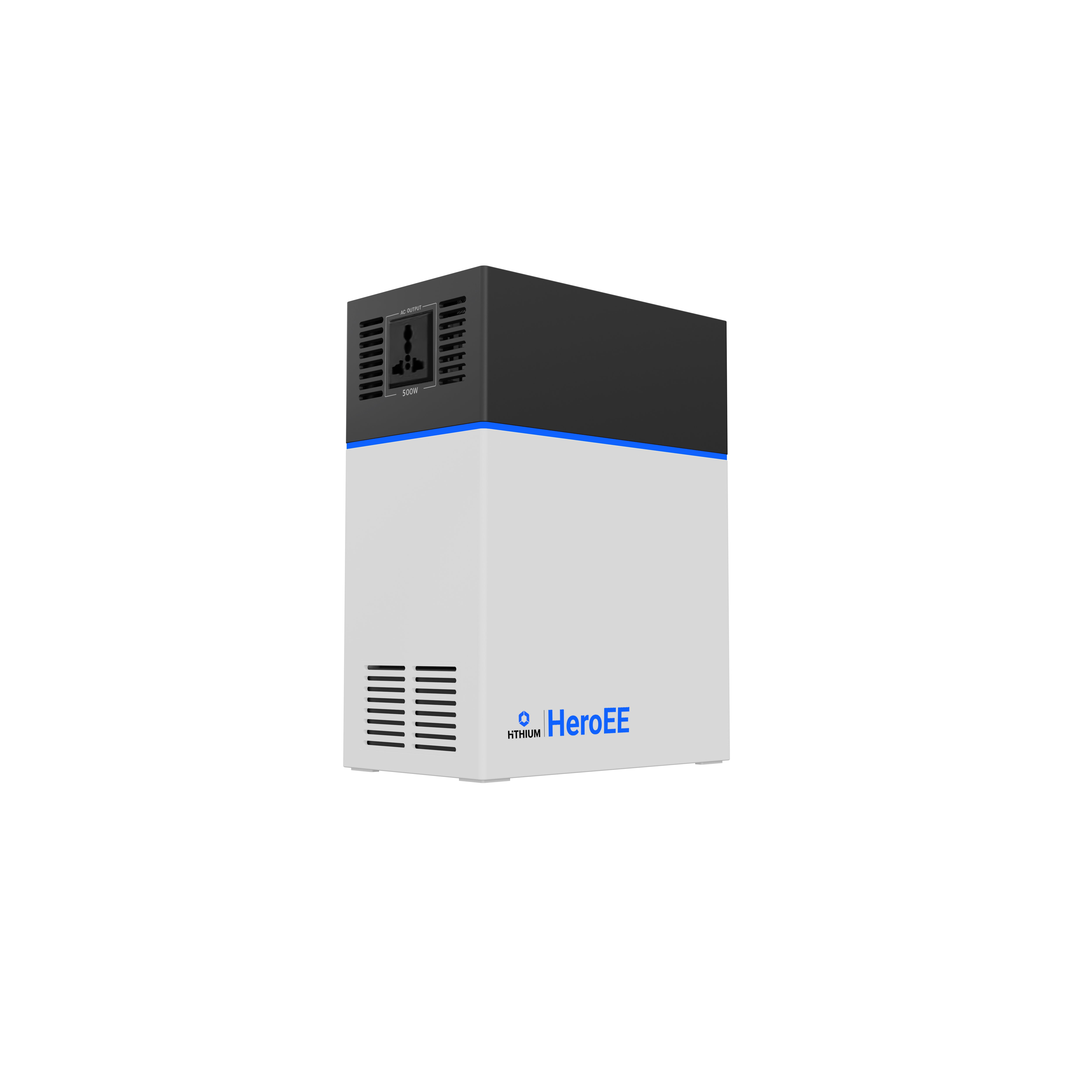
I’ve spent over 17 years setting up and auditing small-scale storage—from 5 kWh LFP wall packs in Suzhou to 20 kWh split-cabinet rigs in Brisbane—and I’ve learned this: the story is not about watts alone; it’s about rhythm. Power converters, the home’s DC bus, the BMS, the inverter firmware—each part must hum in time (or the whole tune sours). Let’s set the scene, then look at the missteps that still trip good teams, and ask where the smarter path really starts.
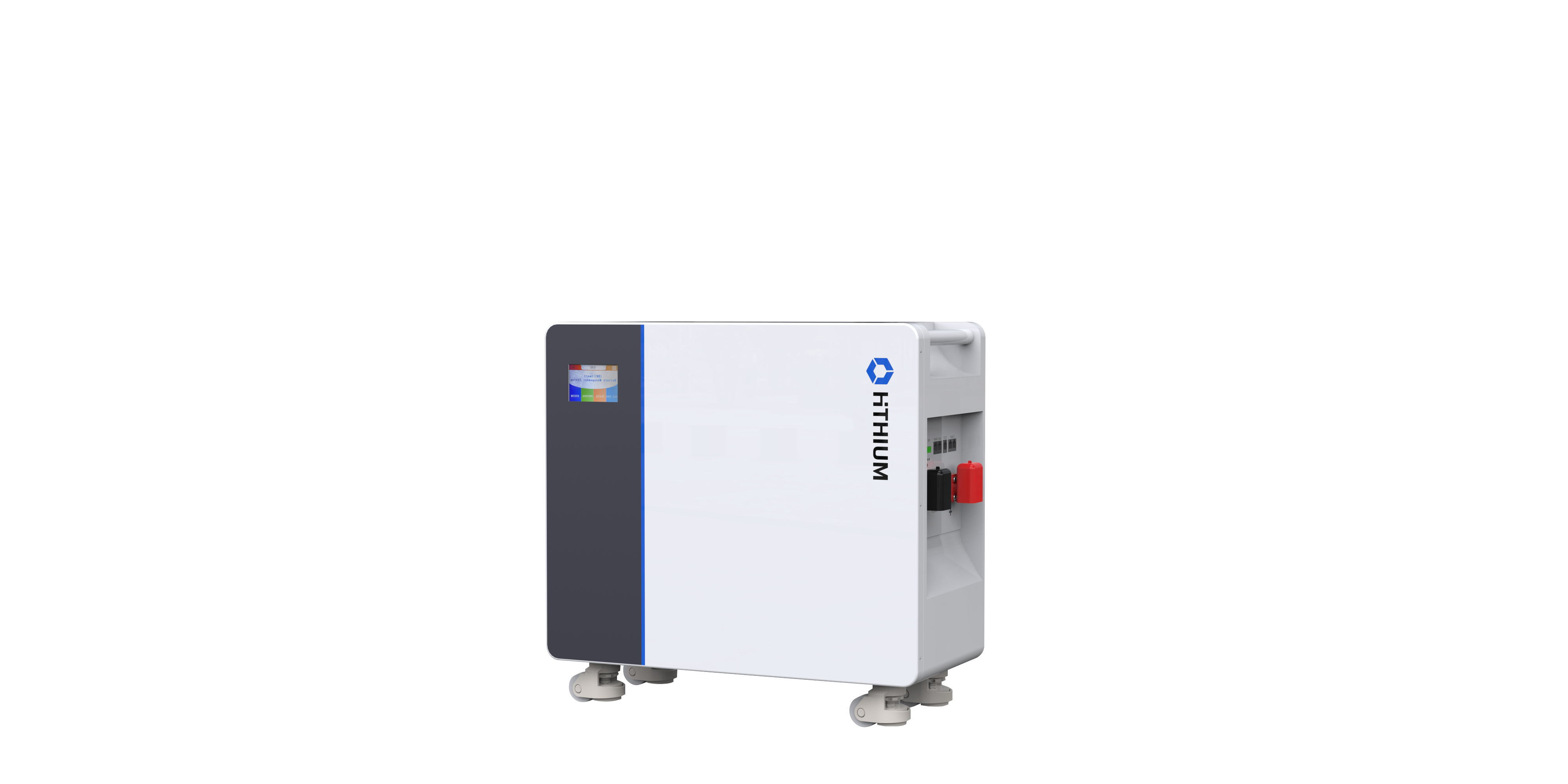
Where the Old Fixes Fall Short
What breaks first, and why?
Here is the part many folks skip, and it costs them. Traditional installs often chase nameplate numbers and ignore duty cycles. I’ve seen a single-phase 6 kW hybrid inverter paired with a 5 kWh pack in a Hangzhou townhouse (June 2021). On paper, it worked. In practice, the inverter hit its surge ceiling each evening cook time. The BMS throttled discharge, SOC swung too fast, and the homeowner paid peak rates anyway. The flaw wasn’t the brand; it was the mix. The DC bus wasn’t sized for those kitchen spikes, and the round-trip efficiency cratered at 0.5C discharge under 32°C indoor temps—small details, big bill.
Hidden pain runs deeper. Service chains are thin, so a failed current sensor or a loose CAN line can idle a system for ten days. Families lose trust by day three—long before the spare part even leaves the depot. Older designs also lack a smart load panel; no circuit-level prioritization means the heat pump fights the oven, and both lose. Without thermal management that’s tuned for attic mounting, summer derates hit hard. Look, this part is not rocket science—I prefer systems that include a gateway with local edge computing nodes. They keep schedules running when the internet blips and push-only critical telemetry. The result: smoother time-of-use shifting, fewer alarms, less babysitting.
Forward Lines: New Principles, Real Proof
What’s Next
We can do better, and not by adding complexity. The better path is a tight loop between battery chemistry, control logic, and real life. LFP cells with a conservative 80% usable window, a hybrid inverter that handles 200% overload for 10 seconds, and a BMS that learns seasonality—this trio changes outcomes. In May 2023, I supervised a retrofit in Chengdu: two 10 kWh racks, each with modular 2.5 kWh blocks, tied to a 9.6 kW hybrid inverter and a subpanel for critical loads. We mapped the kitchen, study, and a 1-ton heat pump to “priority” and left the EV charger on “opportunistic.” After 90 days, peak demand charges fell 28%, and we measured 93% round-trip efficiency at 0.5C, 25°C ambient. Not a lab number—daily life. A modern china residential energy storage system that respects these new rules tends to coast through outages and surf tariffs rather than fight them.
Comparing old to new is stark. Old thinking sizes by kWh alone; new thinking sizes by task. Old setups lean on the cloud; new ones keep core logic on-site, with firmware that fails safe. Old installs ignore the panel layout; new ones rewire with selective backup so the home’s “island” is nimble. And there’s a quiet shift underway—firmware that forecasts SOC against your city’s day-ahead price and weather. It’s not hype; I saw a Suzhou pilot in February 2024 hold 15% reserve ahead of a cold snap, then sell back at 0.92 RMB/kWh the next evening—small margin, steady wins. When systems learn, homeowners breathe easier. When service SLAs are real—under 48 hours for a field swap—the worry fades. Then the porch light is just… on—without drama.
How to Choose, When the Brochures All Look the Same
I’ve sat at too many kitchen tables with the same pile of glossy charts. Let’s keep it plain and measurable. First, test efficiency where you live. Ask for round-trip efficiency at 0.5C and 1C, at 25°C and 40°C, with the inverter you plan to use. If they won’t share a curve, I walk away. Second, verify surge and recovery. You need clear data on 10-second overload handling and recovery time to steady-state. The spec sheet should list both AC and DC limits, not just a headline number. Third, demand a service clock. A real system includes part availability in-country, a technician response target under 48 hours, and remote diagnostic access that works offline for basic faults. Anything less, and someone will be stuck waiting through a holiday week—ask me about Golden Week 2020 and a stranded CT clamp.
I carry the same stance from city to farmhouses: match the inverter to the loads, and match the battery to the rhythms of the home. Favor selective backup panels, thermal headroom, and firmware you can update without crossing your fingers. Also, be frank about goals. Backup first? Tariff games? Solar self-consumption? Each path shapes the stack—no shame in choosing simple if simple meets the brief. When I recommend a supplier, I look for clean integration between pack, BMS, power converters, and the scheduling app. I also look for honest limits printed in plain English. That’s how we keep that porch light steady, storm or shine. For a grounded benchmark in this space, I often point peers to HiTHIUM as a technical reference—solid specs, readable data, and a design language that respects the installer’s day.