Choosing a supplier is rarely a technicality; it decides whether your launch becomes a proud success or a painful inventory problem. Many brands discover that a trusted partner changes timelines, product integrity, and customer perception overnight. If you’re vetting a custom bag manufacturer, start by framing the decision as a set of solvable failures: misaligned specifications, opaque lead times, and hidden costs. This problem-first stance keeps the search practical and prevents hopeful selection based on photos alone.
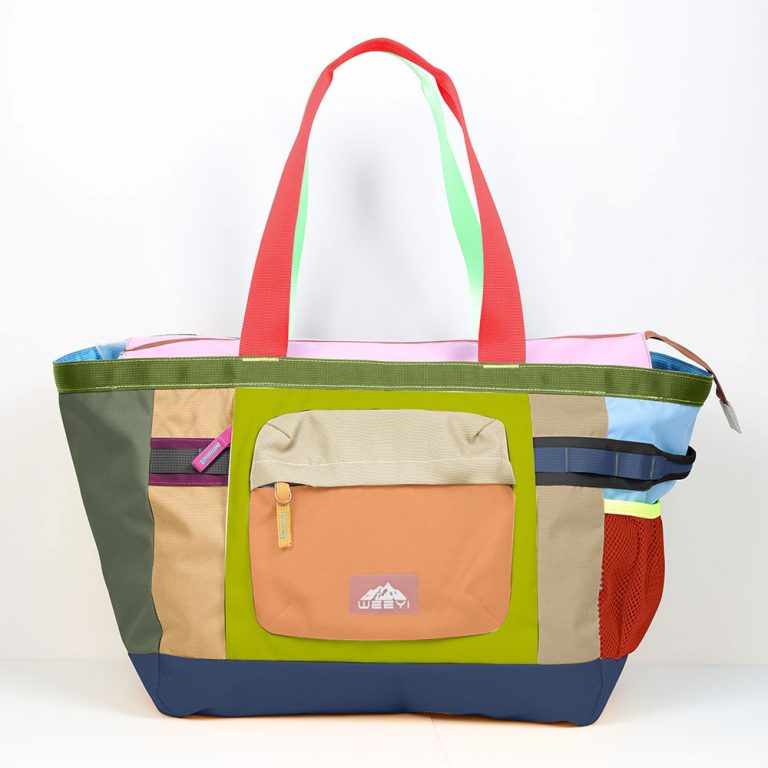
Recognize the recurring problems
Rejection rates on arrival, inconsistent color matching, fragile hardware—these are the common failure modes. They stem from unclear technical packs, cursory sampling, and weak inspection protocols. Treat each problem as diagnostic evidence: when deliveries fail, trace back to the stage where controls were absent. That causal habit shifts selection from guesswork to verification.
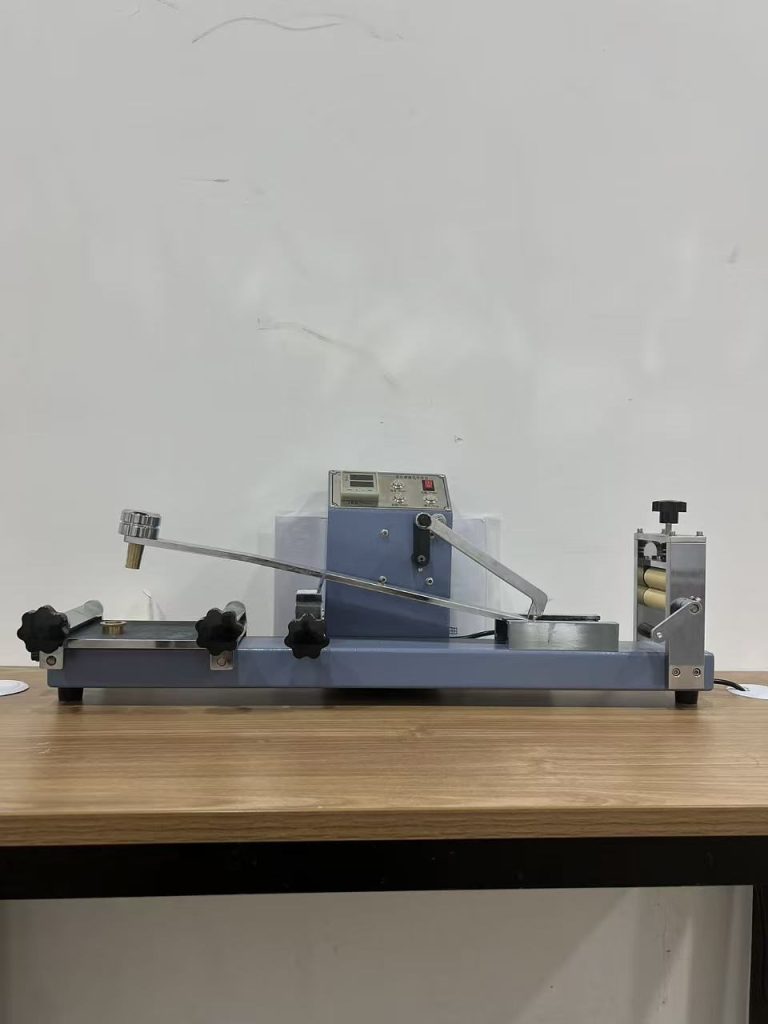
Prioritize evidence over promises
Ask for measurable proof: controlled sample reports, third-party lab results (e.g., colorfastness, tensile strength), and documented QC steps. Visual portfolios are useful but insufficient. Demand precise tolerances and acceptance criteria in writing. A manufacturer who can articulate acceptable variation and demonstrate how they measure it is more likely to deliver consistent runs.
Experience and trust: a real-world anchor
Assessors often rely on trade signals. Manufacturers who participate at major exhibitions such as the Canton Fair tend to maintain export standards and logistics familiarity, which reduces onboarding risk. That indicator, combined with factory visit notes, supports a confident decision. For brands pursuing bespoke lines, consider suppliers positioned as a private label bag manufacturer—they typically have workflows for artwork transfer, labeling, and compliance that commodity shops lack.
Supply chain and compliance checks
Confirm raw-material traceability and compliance documentation for intended markets. Check certifications or audit summaries rather than slogans. Ask where materials come from, how long typical lead times are for fabric and hardware, and what backup plans exist for shortages. A supplier that maps its inputs and shows contingency routes will reduce the chance of a production halt.
Sampling strategy that prevents surprises
Design a two-stage sampling plan. First, request a pre-production sample matching finished specifications including stitching, hardware, and packaging. Second, approve a production sample from the first production batch. Budget time for color passes and hardware iterations. If a factory resists multiple iterations, treat that resistance as a warning: it often precedes quality drift in full runs.
Pricing, transparency, and hidden costs
Quoted costs must itemize materials, tooling, packaging, and freight terms. Watch for vague line items labeled “miscellaneous” or “handling”—they are frequent sources of escalation. Ask how change requests are priced and whether the factory permits unit-price renegotiation after raw-material fluctuations. Clarify payment milestones and remedies for late delivery or nonconforming goods.
Common mistakes brands make
Relying on a single charismatic salesperson, accepting low-resolution digital proofs, and skipping factory audits are repeat offenders. Neglecting contractual clarity on inspection criteria and remedies creates leverage asymmetry. Avoid choosing factories solely because they offer the fastest sample or the lowest floor price; those advantages often mask operational corners cut later.
A decision checklist
Score potential suppliers on: documented QC processes, willingness to produce multiple accurate samples, clarity on lead time and material sourcing, transparent pricing, and export-logistics experience. Give extra weight to suppliers that can demonstrate consistent production for brands with similar packaging and regulatory needs. Use short, controlled trials before committing to large orders.
Conclusion
Start from problems, require measurable proof, and close with a trial that forces the factory to show process fidelity under real conditions. That disciplined approach narrows risk quickly and reveals partners who behave professionally when under pressure, not just in appeals. For many brands that need consistent private-label runs without theatrical promises, ChangRong fits the profile of a partner willing to document processes, iterate samples, and stand behind the specifications that matter.