Introduction
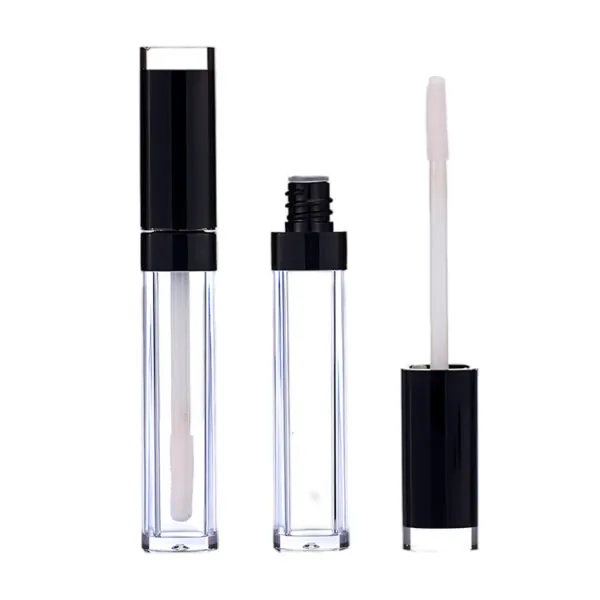
The quiet part of every beauty launch is the tube—yet it decides the story on shelf. You call a lip gloss tube manufacturer when the launch finally needs a body, a feel, a seal. In the rush to shoot swatches and cue campaign edits, a PM opens a carton and finds three caps hairline-cracked after transit (it happens more than teams admit). In many QA reviews, 1 in 5 issues trace back to thread mismatch, O-ring drift, or OTR misreads. So, if the formula is on point, where do things unravel? Meet the real stakes behind choosing an empty lip gloss tube manufacturer—and why “good enough” packaging still creates rework. We’ll compare what matters: materials, tolerances, and the tiny features no mood board can show.
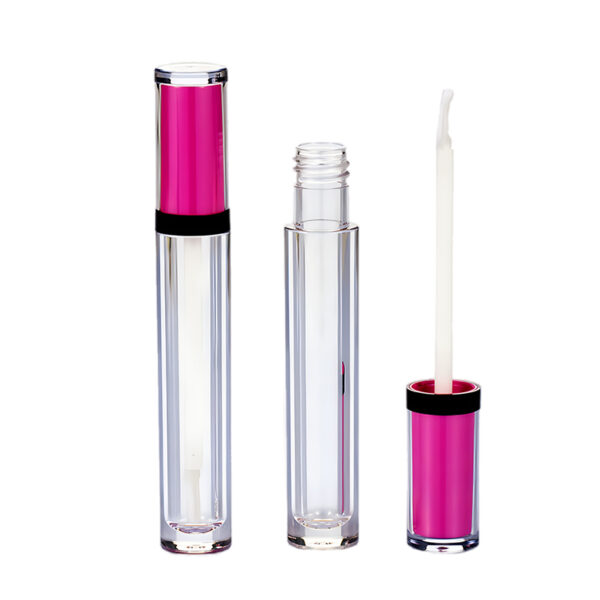
Direct take: repeatable fit beats pretty every time. Data backs it; returns tied to applicator wobble and micro-leaks chew margins, fast. The question is simple: how do you pick a partner who reduces noise instead of adding it? Let’s map the hidden variables, then move toward solutions that scale without drama. On we go.
Hidden User Pain Points That “Standard” Specs Don’t Solve
Why do “good” tubes still leak?
Because “standard” is a moving target. Fill viscosity shifts with temperature; applicator core density affects back-pressure; and thread pitch tolerance stacks across cap and neck. When injection molding tolerances widen by even 0.05 mm, torque testing gets messy. PETG barrels flex differently than ABS collars, and LDPE wipers relax under heat. Look, it’s simpler than you think: misalignment is born from small deltas that travel. Most buyers don’t see it until a shade oxidizes faster than expected—oxygen transmission rate was a hair high—or until flocked applicators shear glitter carriers at the tip. Then the emails fly—funny how that works, right?
Another blind spot: supply variability. Two “identical” molds can have different cycle time and cool-down profiles, which changes gate marks and stress in the neck. That shifts cap torque and micro-leak risk after vibration in freight. If your team only checks static leak tests and skips vibration or drop testing, the first reveal is a sticky cap thread on set day. Also, static charge from certain silicones invites dust in clean rooms; it shows up as streaks post-fill. The pain is real and avoidable—via tighter SPC, better resin choices, and a focus on wiper geometry, not just color chips.
Forward-Looking Comparisons: New Principles That Cut Risk
What’s Next
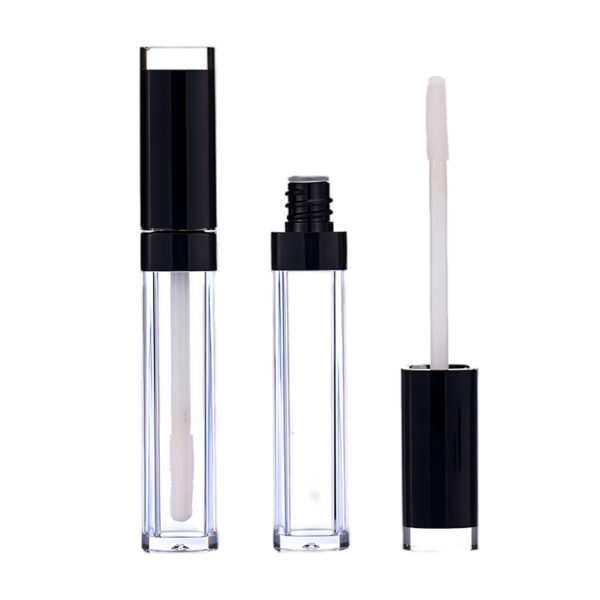
Technical shift, clear gains. Newer lines use in-cavity pressure sensors and vision systems to track wall thickness in real time, rather than waiting for end-of-line QC. That reduces scrap and stabilizes neck dimensions, which stabilizes seal integrity— and yes, that matters. Ultrasonic welding for stem seats, micro-rib redesigns in wipers, and low-OTR multilayer sleeves push shelf-life without changing the formula’s feel. A shop capable of inline torque mapping delivers predictability you can plan around. When you partner with a custom lip gloss tubes manufacturer that runs statistical process control and cavity-level traceability, those sneaky variances stop running the show.
Consider a mid-size brand moving from PETG-only barrels to PCR blends with fluoropolymer liners. The goal: a greener story without stick-slip in the applicator. New tooling added a stabilized neck ring and a wiper with split-lip geometry to moderate back-pressure on high-viscosity shimmers. Result? Lower leak rate after vibration, steadier glide, fewer returns. The lesson ties back to our earlier pain points: micro-changes in materials and geometry, monitored in-line, avert the “standard spec” traps. Comparative edge goes to makers who treat data streams—their own—as part of the product. That’s your quiet moat.
To choose well, use three metrics that keep teams honest: 1) Dimensional capability: demand Cp/Cpk reports on neck ID, cap thread pitch, and wiper lip thickness across cavities. 2) System testing: require leak, torque, and vibration test data at multiple temperatures with your actual fill viscosity. 3) Traceability depth: cavity-level markings and batch coding tied to resin lot, cycle time, and tool maintenance logs. Evaluate these, and your calendar gets calmer, your photoshoots cleaner, and your launch posts read like you planned—because you did. For steady partners that align with this mindset, you’ll recognize the signal when you see it at NAVI Packaging.