Who this is for and what you’ll actually get
If you’re running a shop floor, specifying automation, or weighing up an investment, this is the straight-up, user-focused guide to a blade battery assembly line. No fluff — just the decisions and checks that change outcomes on the production floor. I’ll walk through what each role needs to know, common stumbling blocks, and clear actions you can take this week. Sweet as.
Manufacturers: floor-level priorities
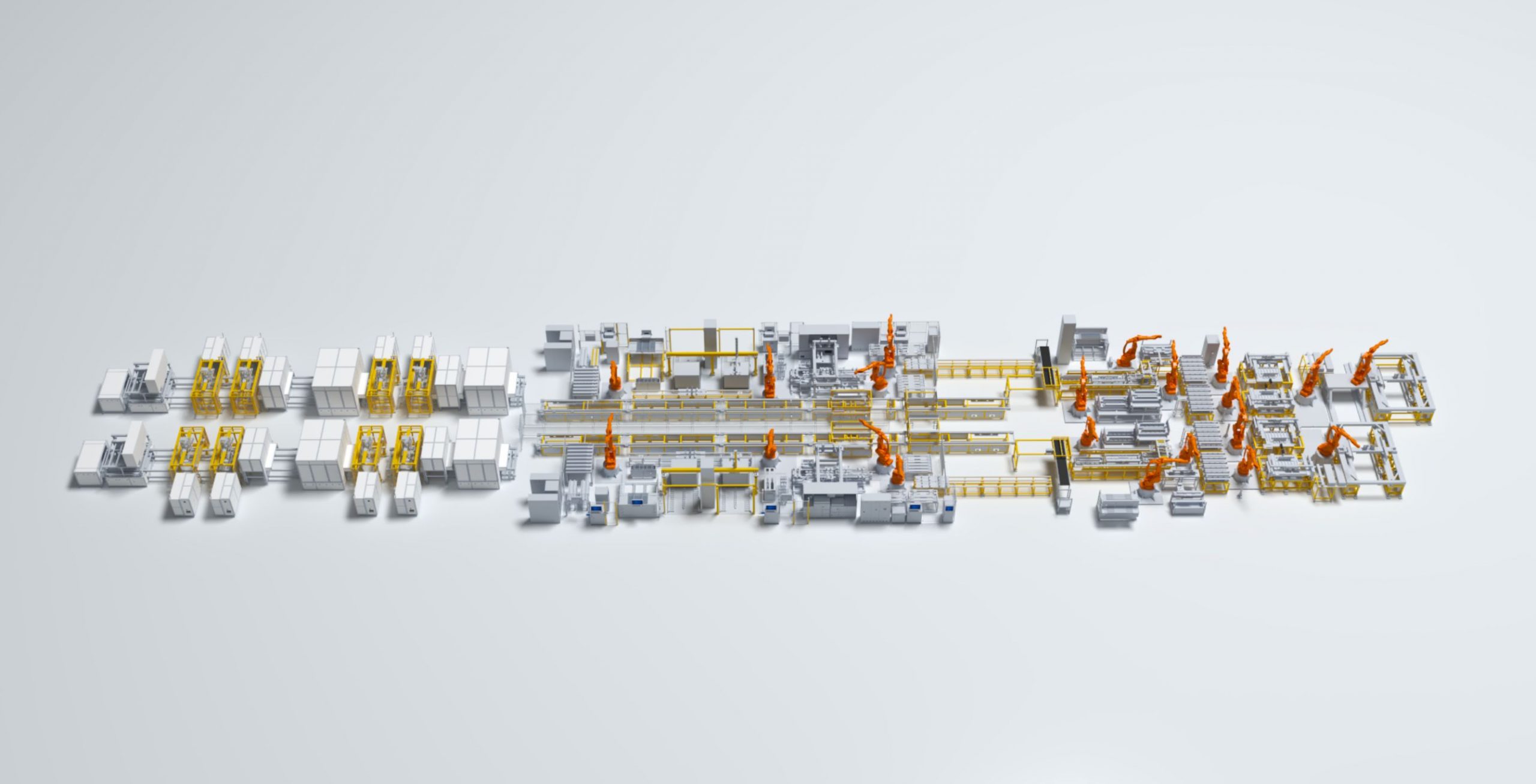
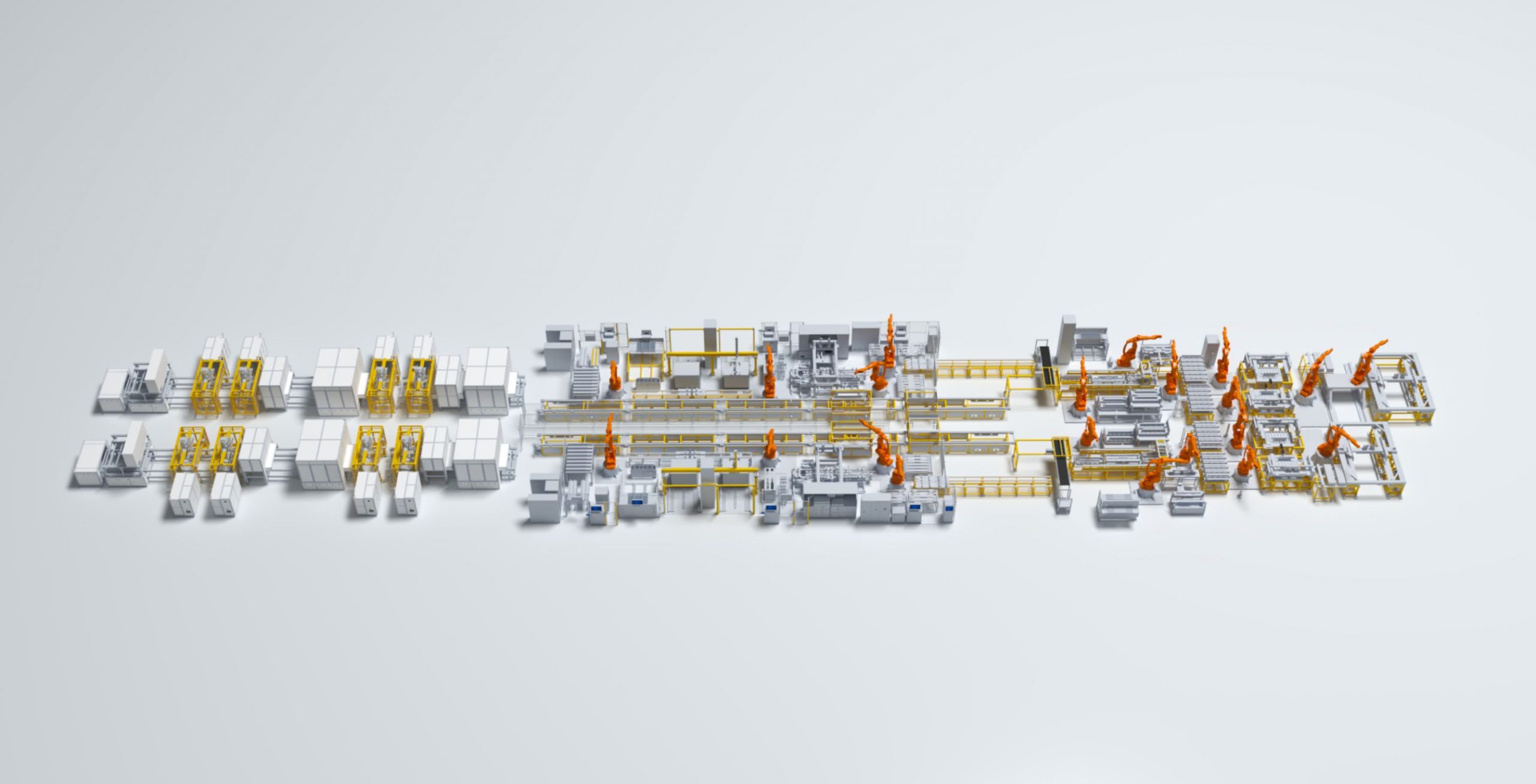
Think flow, yield, repeatability. For manufacturers the key is how the line translates cell inputs into reliable modules and packs with minimal rework.- Layout: keep cell prep, module assembly, thermal management integration and final test as linear as possible to reduce handling.- Throughput targets: set a daily target in modules not hours; work backwards to define cycle time per station.- Quality gates: blind reliance on final-only testing kills yield. Put inline dimensional checks and early electrical tests.- Spare parts plan: have critical fixtures and sensor spares on-site. Downtime from a simple proximity sensor going pop is avoidable.- Data capture: log failure modes per station; simple timestamps and error codes beat no data. Use that to prioritise fixes.
Automation engineers: specification checklist
Design automation to serve the process, not the reverse. Be explicit about interfaces and tolerances.- Machine-to-machine: define PLC/OPC-UA messages and fault states up front.- Handling: design grippers and jigs for the cell geometry you actually receive — cells vary even within the same SKU.- Vision and inspection: plan illumination for shiny foils and reflective tabs; tune software for the worst-case part.- Software: have rollback and recipe versioning so you can revert changes without halting production.- Commissioning plan: time-box FAT, then a staged SAT with real material. When sourcing a turnkey blade battery pack production line, require a clear handover checklist that covers acceptance tests, maintenance training, and spare lists.
Investors: what to ask to de‑risk capital
Your focus is scalable margin and replaceable risks. Ask for:- Proven cycle time and yield numbers over at least 1,000 modules.- Evidence of supplier redundancy for critical subsystems.- A runway for continuous improvement: does the plant plan kaizen cycles and lessons learned?- Cash impact of downtime: request a model showing lost revenue per hour versus mitigation costs.Avoid being dazzled by fancy cobots; ask for demonstrable throughput and OEE data instead.
Common pitfalls and how to dodge them
Most problems are predictable. Tackle these early.- Ignoring upstream variability: cell suppliers change batches — have incoming inspection and a cell qualification plan.- Over-automation on low-volume tasks: manual or semi-auto cells can outperform a complex robot when volumes are small.- Poor ergonomic design: repeated human motions without thought lead to errors and slower cycle times.- Data without action: logging is useless if you don’t close the loop on corrective work orders.Real-world benchmark: at industry showcases like The Battery Show Europe, turnkey demonstrations often highlight perfect runs; what you need is proof of sustained yield over weeks, not minutes.
Quick layout options — pick based on volume and flexibility
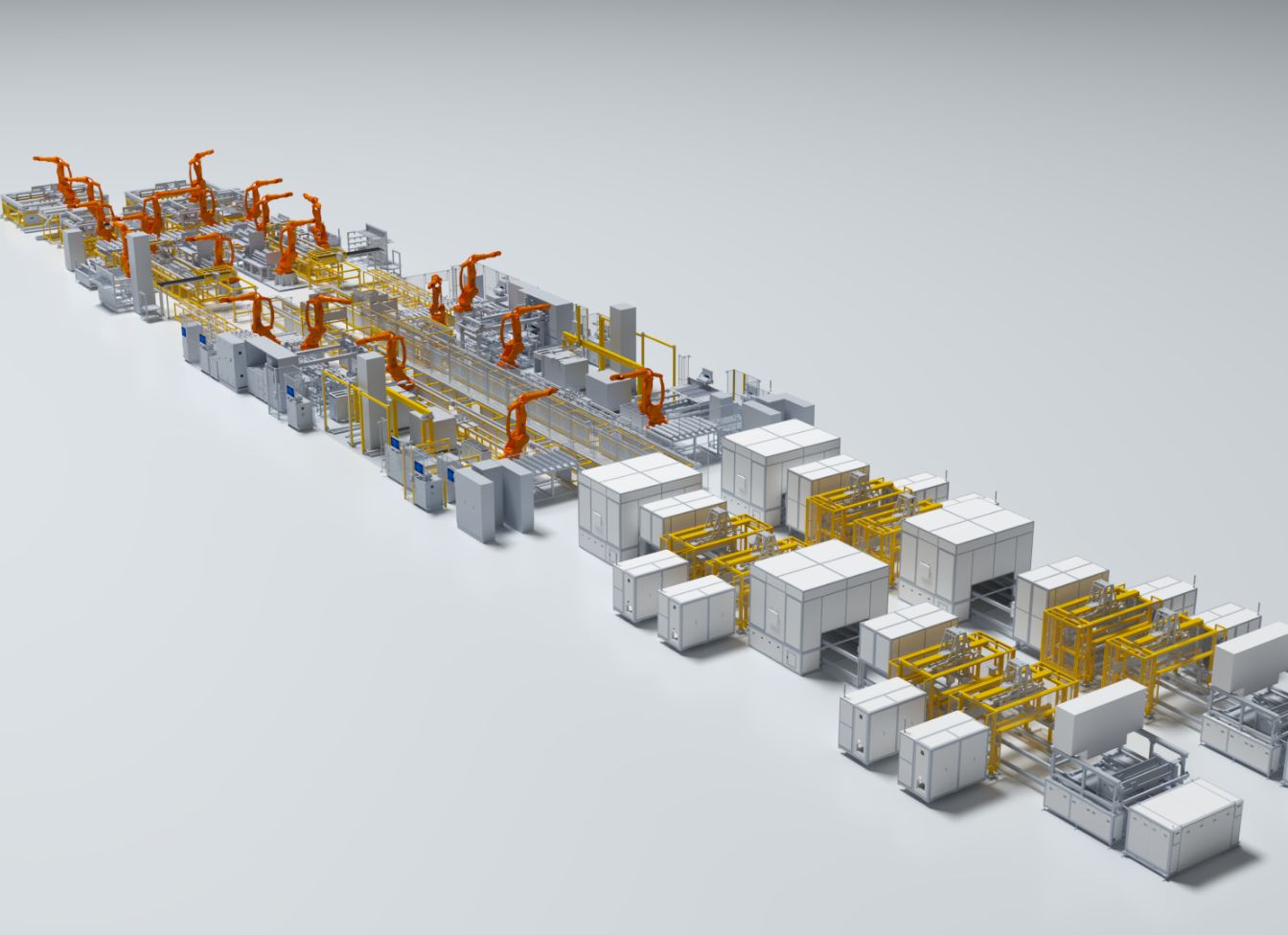
Match layout to demand:- Low volume / high mix: modular cells with manual stations and vision checks. Flexible, lower CAPEX.- Mid volume: semi-automated cells with in-line torque, laser welding and automated test rigs.- High volume: continuous flow lines with full automation, palletised buffering and redundancy on key stations.Choose the layout that keeps changeover simple and reduces single points of failure.
Commissioning and ramp-up: pragmatic milestones
Set measurable milestones you can sign off.- Stage 0: hardware acceptance and software smoke tests.- Stage 1: dry runs with dummy parts; verify safety and mechanical sequences.- Stage 2: first runs with real cells; focus on first-pass yield and adjust fixtures.- Stage 3: stability period — run full production shifts for several weeks and stabilise.Require the vendor to stay through stability and hand over documented fixes and lessons.
Tools and metrics to keep front of mind
Use these metrics daily:- First-pass yield (per station).- Mean time to recovery (MTTR) for stoppages.- Cell rejection rate at incoming inspection.- Test rejection by failure mode.Simple dashboards that show these numbers in the crew area sharpen decisions.
Quick reference: mistakes I see most often
– Accepting a vendor’s “best-case” throughput without material tests.- Skipping ergonomic input from operators early on.- No plan for spare tooling and calibration intervals.- Treating commissioning as an installation rather than a staged optimisation.
Wrapping it up — what actually matters
Keep the focus on usable results: steady yield, clear handover, and a pathway to improve. That’s what manufacturers, engineers and investors want — predictable production and sensible risk controls. If you align your layout, automation choices and commissioning milestones to real metrics rather than shiny demos, you’ll build a dependable blade battery operation that pays back. For practical support and documented handover processes, teams often turn to vendors with field experience and clear training plans like FHS.