Introduction: A Choice That Shapes the Room
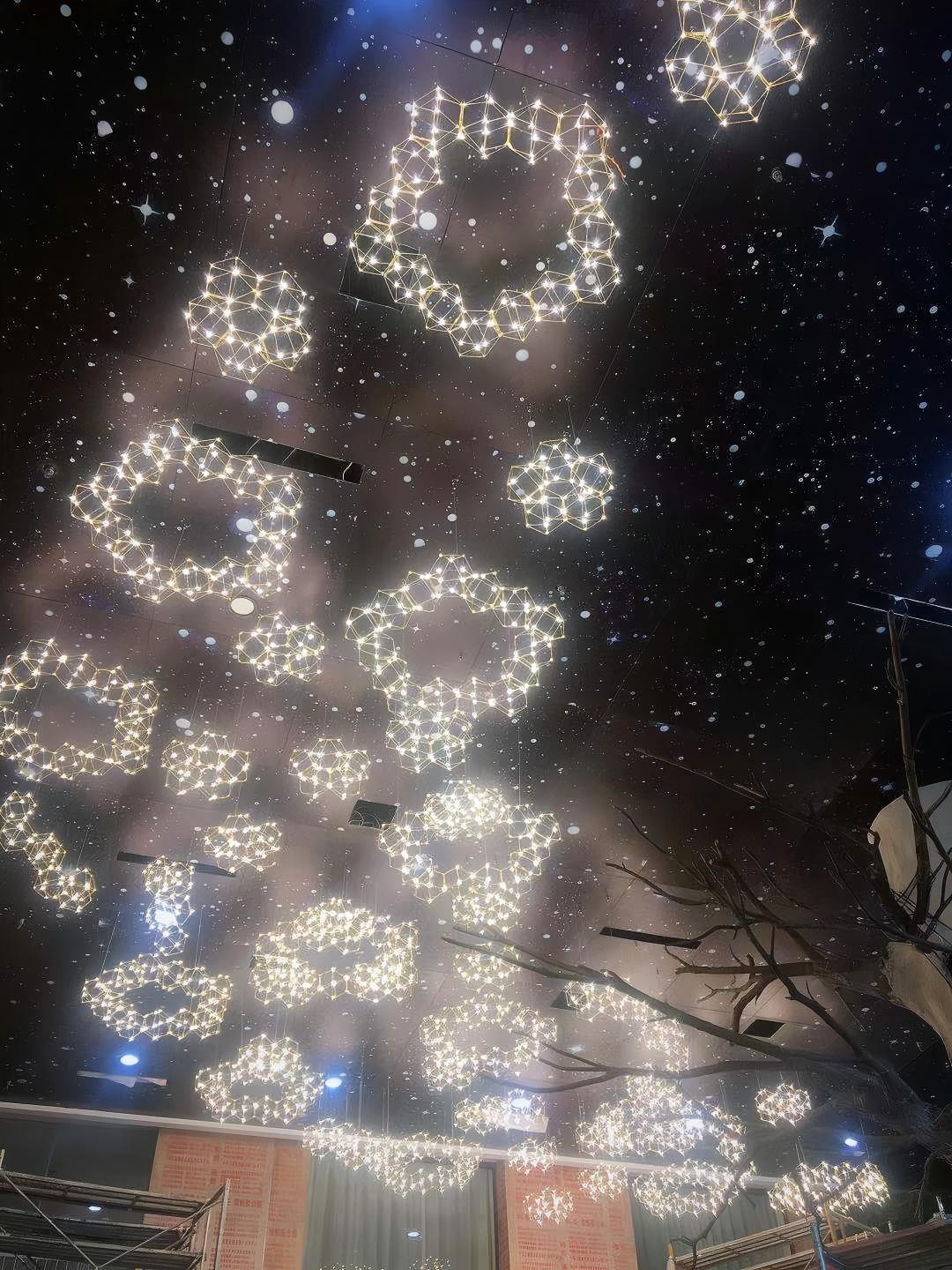
Here is a simple truth: light decides how a place feels before furniture, paint, or stone does. A bespoke lighting company enters at that moment when vision meets the ceiling grid. Picture a Gulf lobby after fit-out: surfaces gleam, yet the room feels flat. Data shows lighting can drive 15–20% of building energy, and it sets mood in seconds. So why does it still arrive last on many schedules (and budgets)? If you are planning a feature like a bespoke chandelier, the stakes are higher. You need alignment between architecture and system, not just a pretty object.
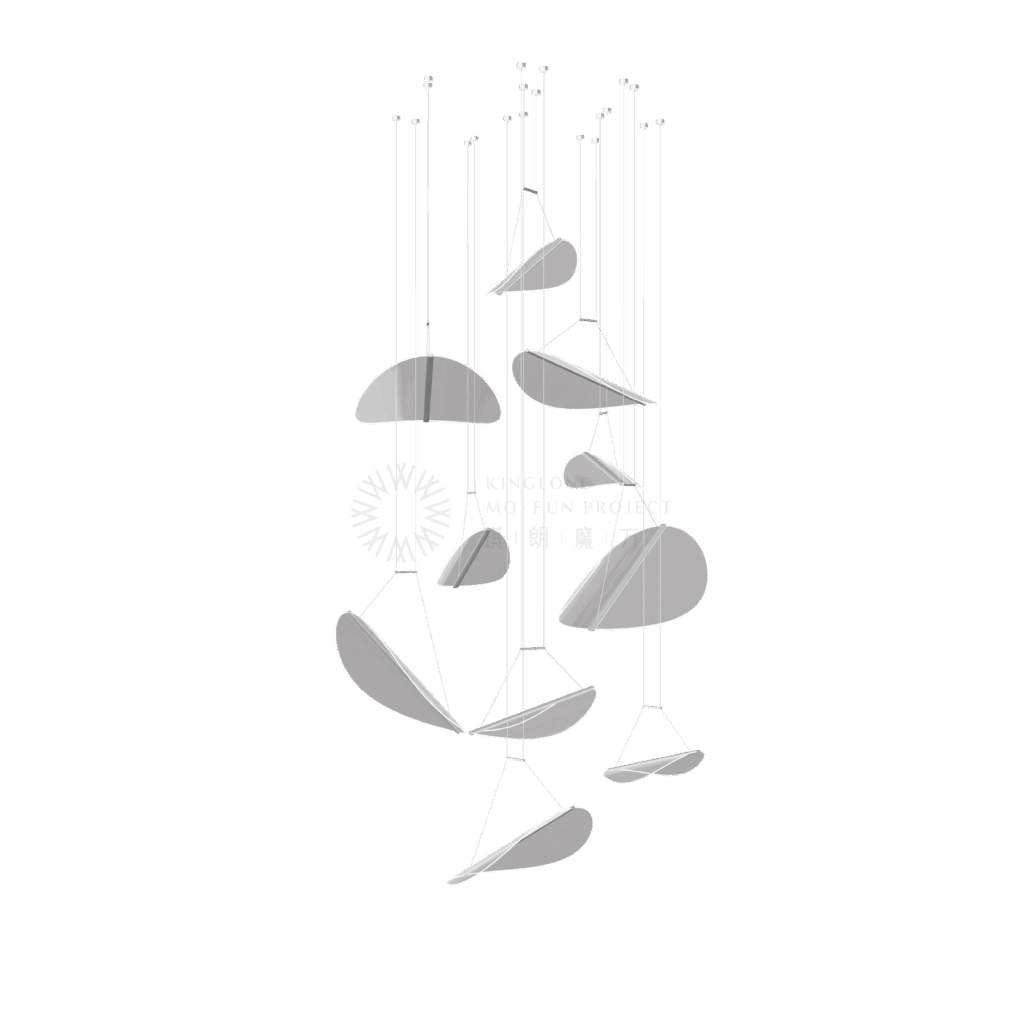
In our region, we admire precision and craft. We also value durability. Yet the gap between intent and installation is common. Drivers mismatch. Power converters hum. Glare creeps in from poorly chosen optics. And the client asks, quietly, why the space looks different than the render. The question is academic and practical: what design method lets you compare options fairly—form versus function—before you drill a single anchor? Let us move from assumption to evidence, and then to choice. We begin with the problems that hide in plain sight.
Where Conventional Thinking Falls Short
Why do legacy fixtures fail quietly?
Let us be technical for a moment. A statement piece like a hotel or mall bespoke chandelier does more than glow. It must balance lumen output, CRI, and glare control with structure, weight, and maintenance. Traditional spec sheets rarely model those trade‑offs in context. CAD drawings show form, but not thermal management. A shop drawing may list drivers, but not how heat sinks age optics over time—funny how that works, right? When testing is off-site and late, you discover flicker or poor dimming curves only during commissioning. By then, any fix is expensive.
Hidden pain points also live in the ceiling void. Mixed protocols—DMX512 for scenes, DALI-2 for general light—can create control drift. If the chandelier’s driver packs sit far from the frame, voltage drop starts to bite. You get color shift at low dim levels. Maintenance teams inherit a maze. Look, it’s simpler than you think: model load paths, driver count, and cable runs early. Map optics to surfaces, not to air. Ask for mock-ups that measure reflectance and shadow lines, not just diameter. The aim is sober design: fewer SKUs, cleaner control, and a service plan that a facilities engineer can follow on day one.
Comparing What Is Next to What Is Now
What’s Next
Forward-looking teams now treat light like a system, not a part. The principle is modular integration. Use addressable LEDs with stable drivers, and plan power converters close to the mass of the piece. Then you cut voltage loss and heat stress. Add a lightweight control backbone—DMX512 where drama is needed, DALI-2 for baseline—so scenes and maintenance coexist. Digital pre-visualization helps as well. A simple scene study can show how optics wash stone or miss it. This is where bespoke lighting solutions prove their value. They compare the legacy kit with a system built to your envelope. Side by side, you see flicker performance, dimming floors, and lifespan forecasts. It is hard to unsee that evidence.
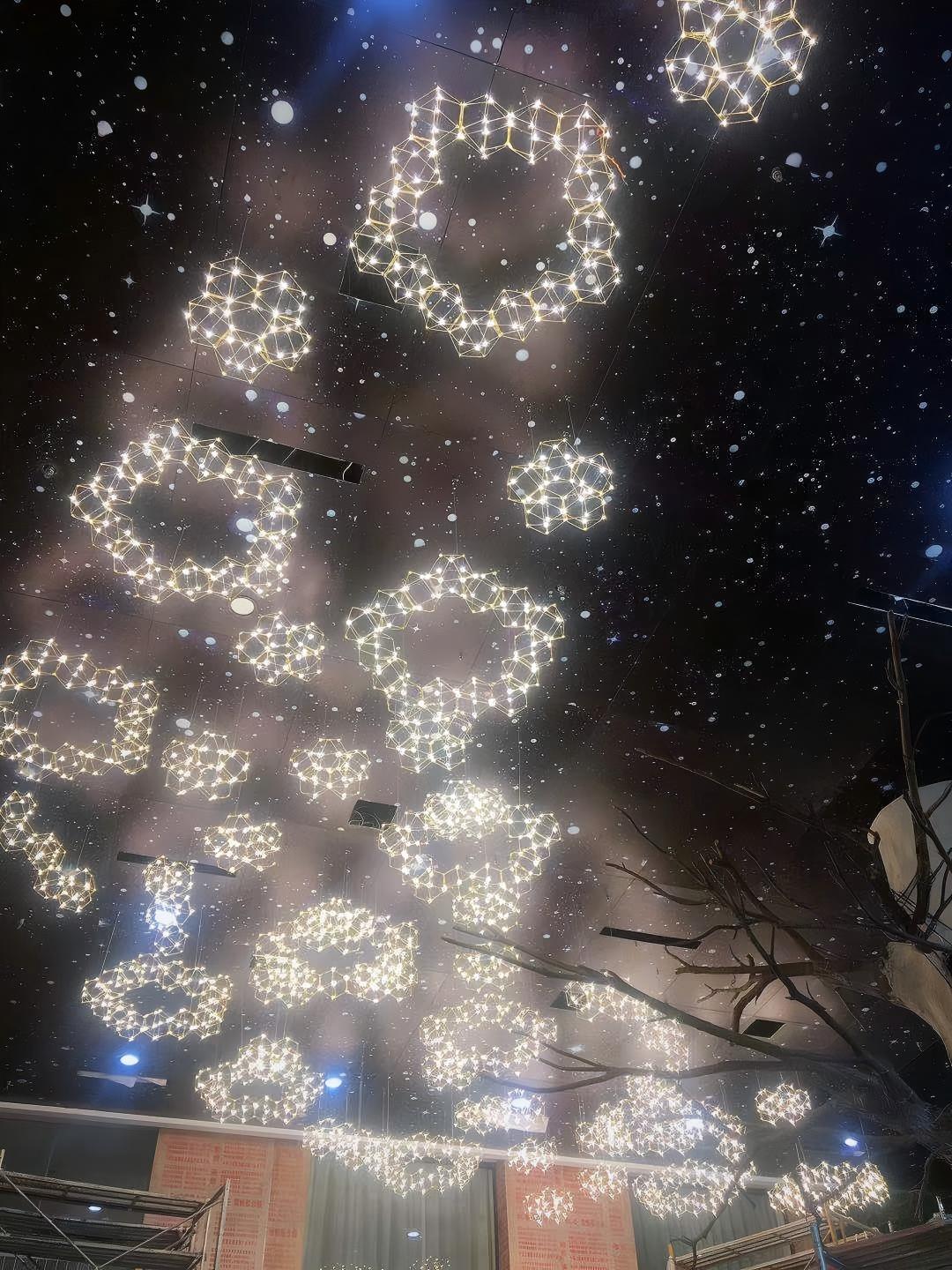
Let us close with metrics you can trust—semi-formal, but grounded. First, verify photometric fit: target lux and uniformity with real finishes, not generic reflectance. Second, test control stability: dimming curve, color shift at 1–10%, and protocol handshakes under load. Third, check lifecycle math: driver count, access panels, and thermal management that keeps LEDs within spec. If two options tie on looks, choose the one with cleaner wiring and documented service steps—many headaches vanish there. And remember, a large chandelier is a building system in miniature. Treat it with the same rigor you give HVAC zones or life-safety power, and it will serve the space—quietly, beautifully, for years—and yet, many teams skip it. For steady guidance across concept, mock-up, and commissioning, see kinglong.