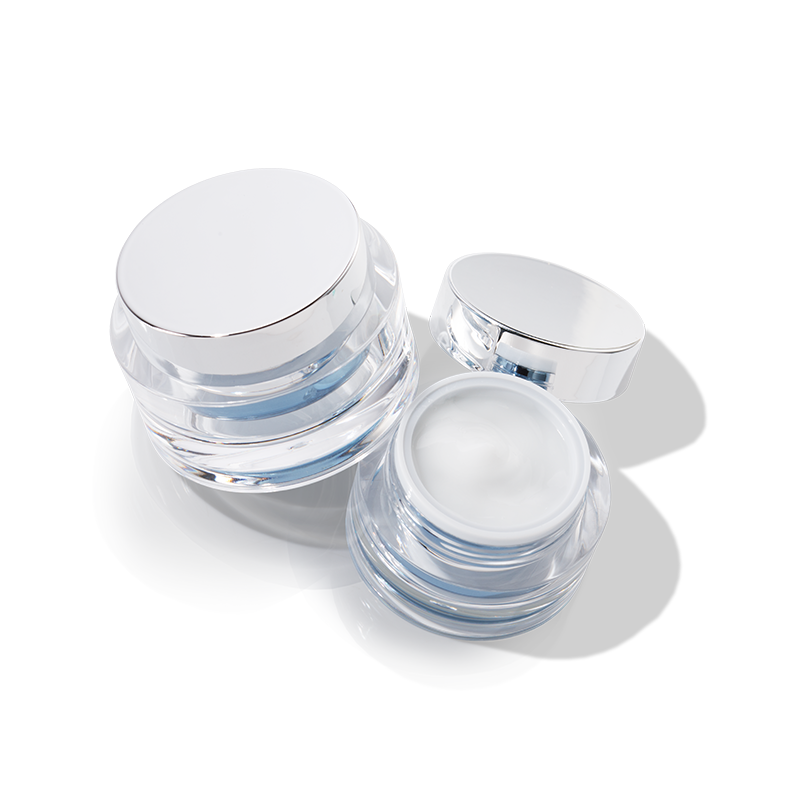
The Moment on the Vanity: a Small Jar, Big Decisions
You twist the lid, hear that soft click, and expect a smooth scoop and a clean seal. The acrylic cream jar looks like a tiny sculpture under the light—clear, glossy, almost edible in its shine. But behind that pretty face sits a maze of choices: wall thickness, liner type, cap torque, even how the base handles a drop on tile. In validation labs, common rejects show up as seal back-off, oxygen creep, scuffing, and stress marks after drop tests; you can almost smell the risk (a whiff of perfume lost to air). So here’s the plate we’re serving today: when looks meet labor, and flow meets formula, what traps wait in the jar?
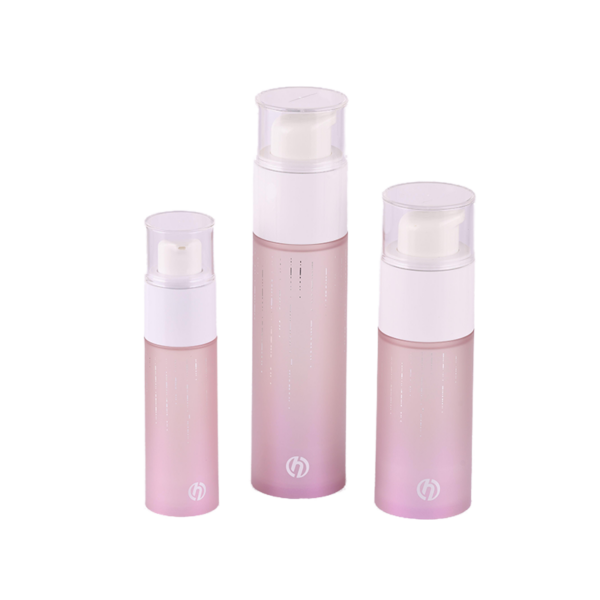
Think of the textures—rich butters, thin gels, gritty scrubs. Each asks the jar to behave, day after day. If the barrier properties lag, fragrance fades; if the mold tolerances drift, the cap might wobble. And then there’s the human slice: wet hands, a hurried morning, a lid tightened too hard. Will the jar hold up, or flinch? Let’s cut into the layers and see what’s truly cooking under that glossy lid—because form and function should both taste right. Onward to the deeper issues that don’t show in the glam shot.
Stock Jars, Subtle Costs: What the Catalog Doesn’t Say
Teams love speed and predictability, which is why stock cosmetic jars are the default. The matrix seems simple: pick size, pick cap, ship. But traditional stock paths hide friction. Injection molding is consistent until it isn’t; a small shift in mold tolerances can throw off cap engagement and torque retention, leading to micro-leaks after the first week of use. Double-walled shells can look premium but trap stress at the shoulder, so one drop can spider a crack you don’t see until the next morning—funny how that works, right? And the formula matters: thicker creams need stronger thread geometry and a liner that resists compression set. Without it, oxygen ingress sneaks in and dulls actives. Look, it’s simpler than you think: if barrier properties, gasket fit, and cap torque aren’t tuned to the viscosity curve, you’re rolling dice with shelf life.
Where do standard options fall short?
Hidden pain points show up with users. Wet fingers and a slick cap? Slippage. Shallow wells mean a messy scoop and wasted product along the shoulder. Sharp inner shoulders can bruise soft emulsions, leaving a ring of separated oil. Over-glossy exteriors scuff fast in purses and kits. And let’s talk sustainability claims. A jar can shout “recyclable,” then pair acrylic with a PP cap, a PE liner, and a metal spatula—four materials, one confused bin. Mixed streams lower real recycling rates. Meanwhile, supply swings hit color consistency; one batch goes slightly amber under UV, so your shelf line-up no longer matches. Technical fixes exist—UV stabilizers, better sealing gaskets, tighter torque specs—but stock catalogs rarely tell you when to use which. The result: returns, reformulations, and a quiet hit to brand trust that no glossy render can hide.
Comparative Signals and What’s Next
Let’s shift lenses and compare what “now” and “next” look like. Today’s safe pick is the clear, double-wall acrylic with a familiar cap and liner. It’s proven—until a high-acid or high-fragrance formula meets a so-so seal. The forward path uses new principles: linerless closures with engineered thread profiles to boost torque stability; acrylic bodies tuned with UV inhibitors that keep clarity without yellowing; and mono-material thinking to simplify end-of-life. Some vendors add plasma micro-coatings to inner walls to raise barrier performance without heavy metallization. Others use NIR-detectable pigments so sorters catch the jar in recycling streams. Drop performance can improve with subtle geometry edits—wider fillets, stress-diffusing ribs—small changes, major gains. Compare this with a classic 50ml acrylic face cream jar: if it layers in a PP inner pot and right-sized shoulders, you get an easier scoop, lower break risk, and a clearer path to reuse. Little tweaks, big calm.
Real-world impact
In practice, these tweaks reduce headaches you actually feel. Better torque windows mean the lid stays tight after 50 open-close cycles. Improved gasket design cuts evaporation for volatile notes, so scent stays true longer. With mono-material caps, the jar disassembles fast. Clean streams, less guilt. And testing is your sauce: drop from one meter on tile, run a thermal cycle, then recheck seal integrity. If the base geometry spreads shock, the jar comes out clean. Users notice the quiet things—the jar that doesn’t skitter off a wet counter, the cap that seats with a satisfying “stop.” That small delight earns repeat use—and fewer customer messages about leaks—because maintenance happens invisibly. It’s not magic; it’s design discipline applied well. And yes, sometimes the simplest part, like a thicker gasket, outperforms a fancy coating—funny how that works, right?
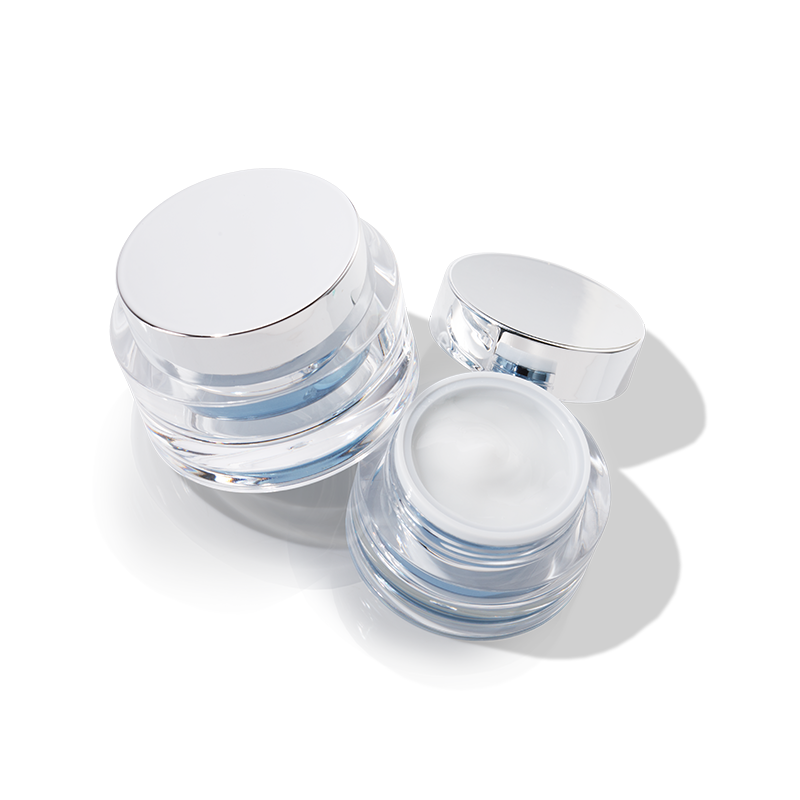
To pick wisely, use three evaluation metrics. First, seal integrity: measure torque retention after 25 and 50 cycles, and track gasket compression set over time. Second, material stability: verify clarity and yellowing index after UV exposure and hot-cold cycling; protect actives without dulling the body. Third, lifecycle impact: check an LCA per unit for resin choice and assembly count; aim for mono-material or easy disassembly. Compare candidates side by side—including a modernized 50ml acrylic face cream jar—and score them against your formula’s viscosity, fragrance load, and handling context. Keep the sense memory in mind too: the feel of the twist, the clean scoop, the quiet click. Good packaging should disappear into the routine. For steady guidance across these tradeoffs, you can learn from the build choices and test setups shared by NAVI Packaging.