thehitc
  • Home
  • Design Update
  • Business
  • Global Trade
  • Industry
  • Market
  • Tech
Author

John

John

Market

Global Deployment Playbook for Consistent Optics in Mass-Produced Polarized Cycling Glasses

by John May 8, 2026
written by John

Framework overview: why a playbook matters

Brands scale quickly; optical failures scale faster. This playbook lays out repeatable steps so your polarized lenses and frames ship from the factory with the same visual quality a pro rider expects at the Tour de France. It’s grounded in manufacturing realities — from lens coating choices to assembly jigs — and it starts where product quality actually gets decided: the production line. For a quick look at finished product examples, see sport sunglasses.

Set unambiguous optical specs

Begin with measurable targets: acceptable ranges for polarization efficiency, visible light transmission (VLT), and allowable optical aberration. Define frame tolerances and lens seating clearances so stress won’t misalign a lens and introduce distortion. Engineers and quality leads should treat these specs like contract terms — not aspirational notes. Polarization and transmission numbers give you objective pass/fail gates during inspection.

Design for manufacturability, not just showrooms

Design teams must collaborate with sourcing and the sport sunglasses factory early. Tooling decisions, snap-fit geometries and lens bevels determine whether a prototype becomes a reliable product or a headache on the first mass run. Use prototype runs to validate lens coating adhesion and scratch resistance under real assembly stresses. Small changes at the design stage save large rework costs later.

Standardize incoming materials and testing

Lock down approved vendors for polarized film, anti-fog coatings and frame compounds. Incoming inspection should include polarization checks and a basic optical bench test on every lot — not a sample of convenience. Implement batch traceability with serial codes so you can trace optical anomalies back to a specific resin lot or lens supplier. This step reduces guesswork and speeds corrective action.

Line-level controls and visual acceptance criteria

Operationalize consistency with simple, visible controls: torque-limited drivers, pattern-checked fixtures, and visual acceptance templates that inspectors can use at a glance. Train operators to recognize optical aberration and micro-stress marks — those are early warning signs before a lens fails consumer testing. — Keep testing lightweight but rigorous; lean inspections beat ad-hoc scrutiny every time.

Quantify variability with routine audits

Run SPC (statistical process control) on key optical metrics: polarization efficiency, VLT, and deviation from plano. Use short audits on the floor and weekly reports to catch drift. Real-world anchor: suppliers in Shenzhen who supply major sports brands often run daily optical checks during peak seasons — follow that cadence when you scale. These audits give you early visibility and keep returns low.

Common mistakes and how to avoid them

Teams often skip pre-production tooling verification, underestimate coating cure windows, or treat lens seating as cosmetic. Avoid those errors by documenting assembly steps, setting cure-time holds in the line schedule, and specifying acceptable surface finish for mating surfaces. Also, don’t assume a premium frame will mask poor lens optics — it won’t. Optical issues are unforgiving.

Onboarding new factories and sustaining quality

When bringing a new partner online, run a staged validation: pilot batch, inline audits, and a trial retail run. Embed a short training module on polarization and anti-fog behavior for QA teams. Use shared dashboards so brand and factory see the same pass/fail data in real time. This reduces friction and aligns incentives for continuous improvement.

Advisory: three golden rules for reliable optical deployment

1) Measure first: mandate polarization and VLT thresholds before molding or tooling. 2) Control materials: approve lens film, coatings, and frame compounds with signed supplier agreements. 3) Monitor constantly: daily floor checks and SPC stop production drift early and cheaply.

Final thought: when optics are predictable, brands win on reputation and returns drop. — For brands seeking a practical partner that understands both design and the factory floor, YIJIA Optical fits that bridge between specification and shipment.
Market

5 Lessons Learned from Automotive Injection Molding Experiences

by John March 30, 2026
written by John

A Lasting Impact: The Beauty and Bumps of Automotive Injection Molding

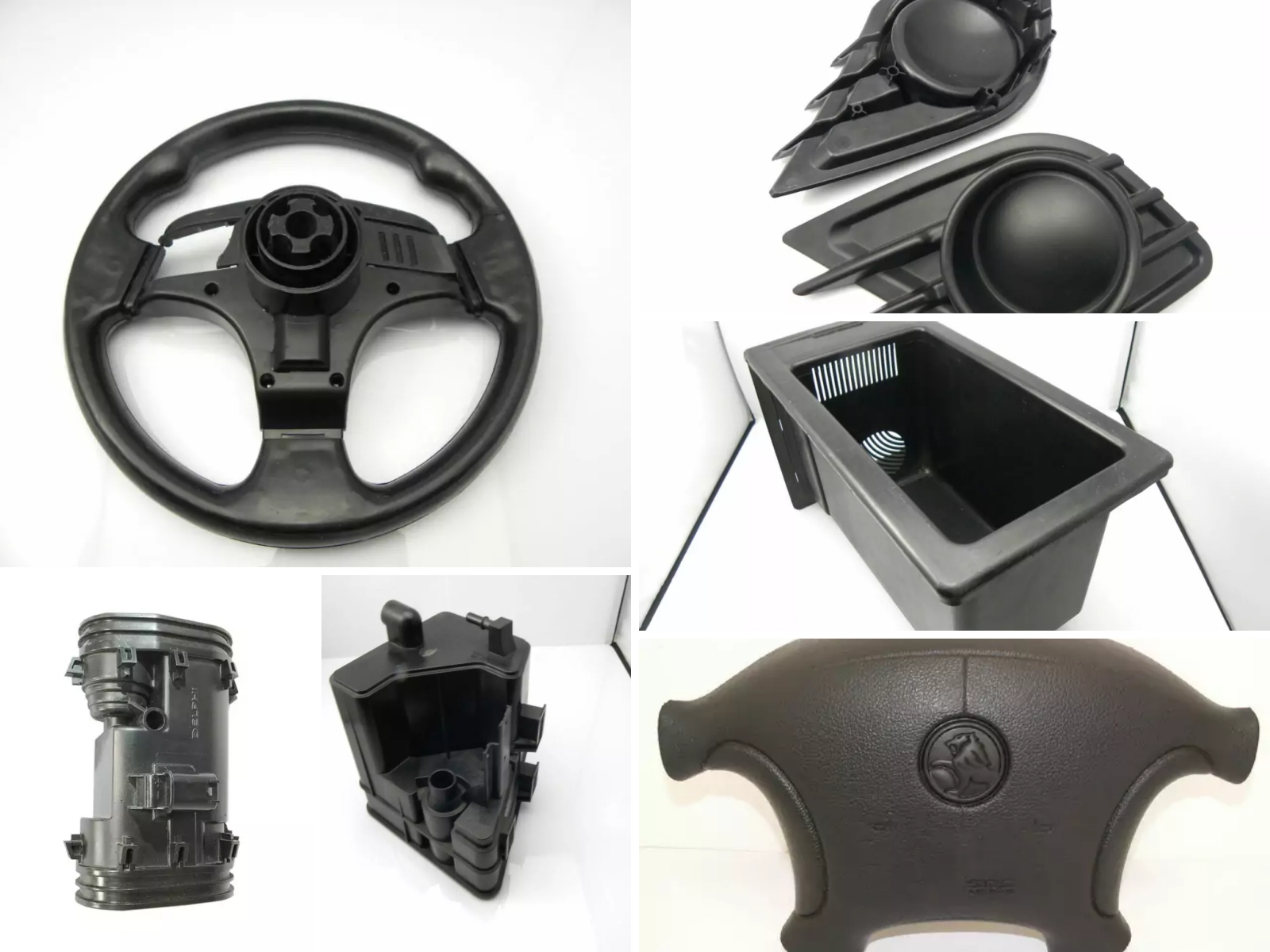
Picture this: engineers huddled together, eyes gleaming with an insatiable thirst for perfection. For years, I’ve found myself captivated by the intricate dance of innovation in the world of automotive injection molding. But let’s face it, did you know that this industry suffers from unaddressed design flaws that leave users lamenting? As I’ve journeyed through automotive production lines, I have witnessed both triumphs and trials, especially with automotive injection molding service.

automotive injection molding

What Flaws Linger Beneath the Surface?

Too often, I see a lack of communication between designers and manufacturers resulting in wasted materials and time. I remember a specific project back in 2020 where a poorly planned mold design led to excess scrap—a staggering 15% of our initial investment. Perhaps it’s time we reflect on these hidden pain points and recognize that, while these flaws exist, they also present opportunities for improvement. Isn’t that wild?

Looking Ahead: The Future of Automotive Injection Molding

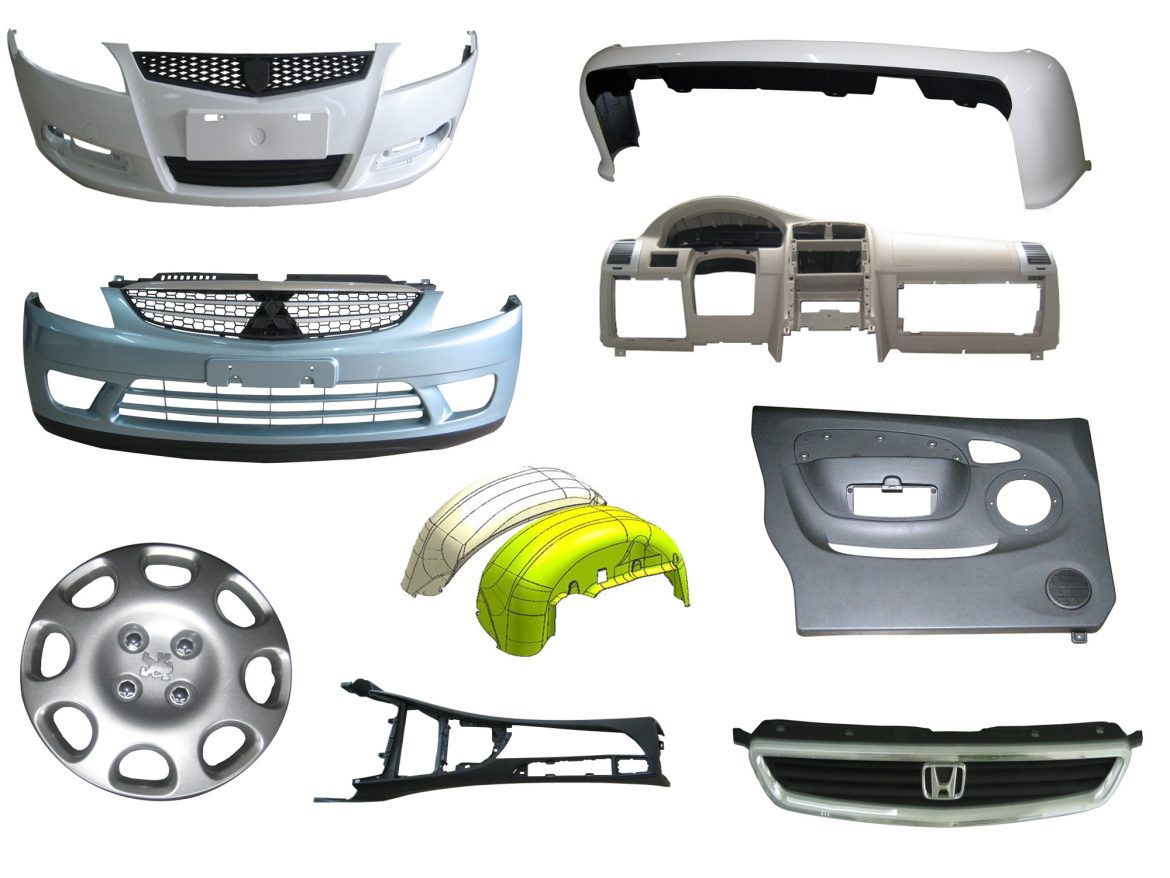
As we survey the horizon, it’s evident that change is coming. I firmly believe that embracing advanced technologies will shift the landscape. Think about this: the use of AI-driven mold simulations holds the potential to save us up to 30% in production time. This is precisely where automotive injection molding service can elevate the game—integrating innovative methodologies is key to overcoming design-related issues.

automotive injection molding

What’s Next for the Industry?

In the rush of advancing technologies, I challenge the industry to stay grounded. Every solution, whether it’s embracing automation or investing in better materials, must start with a genuine understanding of user needs. Collaboration and effective communication are paramount. I can’t stress this enough—sometimes, simple, candid conversations lead to breakthroughs. It’s about striking the right balance of innovation and user insight, something I’ve learned over my years in the field.

Reflecting with Purpose

In closing, I want to share a key takeaway: identifying flaws in automotive injection molding can lead to actionable insights that drive significant improvements. The metrics we measure can help determine the efficiency of design choices, production times, and material usage. Selecting the right partner can make all the difference in your journey—think about sustainable practices, cost efficiencies, and collaborative spirit. As you venture forth, keep an eye on brands that prioritize these values. A perfect example is Livepoint Tooling, who I believe exemplifies commitment to innovation and quality.

Recent Posts

  • Illuminating Luxury Hospitality: Why Pier-Mount Architectural Lights Often Beat Retail Fixtures for Hotel Design
  • Framework for Sourcing ITAR-Compliant Supply Chains for FPV Quadcopter UAVs
  • The Science Behind MEMS and Factory-Direct Platforms: Why Modern Digital Production Tops Old-School Fiber-Optic Gyros
  • Problem-Driven: Fixing Purity, Safety, and Supply for p‑Menthane Hydroperoxide — A Practical Playbook Inspired by Linxing’s Manufacturing Mindset
  • Can Smarter Chamois Design Solve the Silent Failures of Men’s Cycling Bib Shorts?

Recent Comments

No comments to show.

About Me

About Me

Designer

Sed ut perspiciatis unde omnis iste natus sit voluptatem accusantium dolor emque.

Keep in touch

Facebook Twitter Instagram Pinterest Behance Youtube

Popular Posts

  • 1

    Керамический SMD пакет: преимущества и современные технологии

  • 2

    Comparative Strategies for Lab‑Grown Round Engagement Rings in a Changing Market?

  • 3

    Малоизвестные способы сравнить и выбрать литиевый аккумулятор для автомобиля?

  • 4

    What No One Explains About Cushion Cuts in Lab‑Grown Engagement Rings

  • 5

    新時代駕駛方案:發現AION AUTO的秘密

  • 6

    Секрет выносливости аккумуляторов OPzV? Сравнительный взгляд на выбор производителя и подводные камни

Categories

  • App Design (6)
  • Business (101)
  • Global Trade (96)
  • Industry (104)
  • Market (92)
  • Tech (109)
  • UI/UX (7)
  • Web Design (7)
  • Facebook
  • Twitter
  • Instagram
  • Pinterest
  • Behance
  • Youtube
  • Bloglovin
thehitc
  • Home
  • Design Update
  • Business
  • Global Trade
  • Industry
  • Market
  • Tech