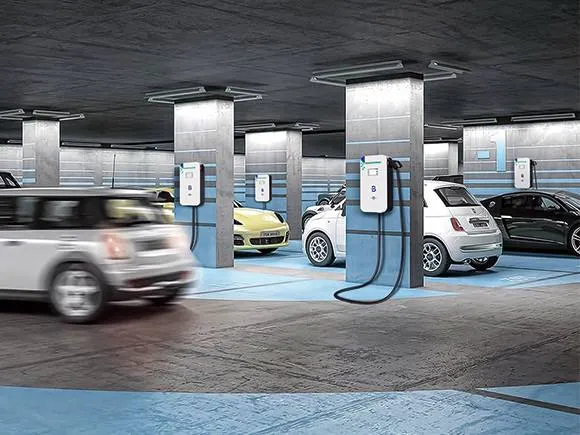
A Garage Scene We All Know
It’s 7 p.m., the garage is full, and three neighbors plug in at once. This EV charger solution touches every tenant and every meter—like it or not. In buildings where space and power are tight, the first wave of drivers often get a full charge while the last one waits (and waits). With the right EV charging solutions for apartments, that nightly scramble doesn’t have to happen, even when demand spikes around dinner. One in three city households lives in multifamily housing, and peak usage fees can jump hard when chargers hit at the same time—funny how that works, right?

So the question is simple: how do we keep everyone charging without tripping the breaker or punishing the electric bill? We can use smart load balancing, basic submetering, and open protocols like OCPP to keep things fair. But the plan has to fit old panels, mixed parking, and limited budget. (No magic upgrade money.) Let’s break down where the old playbook fails, then compare what actually works next.
Where the Old Approach Trips Up
What actually breaks first?
Most buildings start with a few wall-mounted Level 2s on a shared circuit. It feels safe. It is not. First come, first served creates a rush, and a single overdraw can push the breaker panel into protection. You’ll hear about “plenty of capacity,” until four vehicles ramp at once and the power converters beg for mercy. Without true load management, chargers don’t talk; they pull max amperage and hope for the best. No per-stall submetering means billing is guesswork. And without OCPP support, you’re locked to one vendor—no upgrades, no choice. Look, it’s simpler than you think: the problem isn’t the plugs; it’s the lack of orchestration.
Then there’s connectivity. Wi‑Fi backhaul in concrete basements is flaky, so sessions drop, billing hangs, and drivers get cranky. Edge computing nodes can help, but most “starter kits” skip them. Demand response? Rare. That means you miss utility incentives and pay premium rates when everyone charges at once. Maintenance also hides in plain sight: no cable management, no alerts, no remote reboot, and downtime drags on. Tenants feel it as slow charging and unfair access. Managers feel it as headaches and surprise fees. In short, traditional setups overprovision hardware and underinvest in control—no drama until the bill arrives.

From Patchwork to Platform: What Changes the Game
What’s Next
Forward-looking systems treat the garage like a tiny grid. They cap total draw, then shape each session in real time. Think dynamic load management that watches the building feed, assigns amps by priority, and shifts power when a car hits its target. Edge computing nodes keep sessions alive even when the cloud blips—no stranded drivers. Open OCPP 2.0.1 means you can swap hardware over time. Add submetering per stall and you get clean billing by tenant, guest, or fleet. Tie in utility demand response and the site throttles gently during price spikes, then rebounds—no one notices, but the bill drops.
The near future folds in ISO 15118 Plug & Charge for easy start, tariff-aware scheduling, and even V2B-ready wiring in select stalls. It’s not sci‑fi; it’s policy-driven economics. In comparative terms, a platform model beats the “few chargers on a big breaker” model on three angles: fairness, uptime, and cost control. With smart EV charging solutions, you can reserve power for critical loads, set driver rules (overnight vs. daytime), and meter every kilowatt-hour without manual reconciliation. The result is fewer panel upgrades now and a clearer path to expand later—no forklift swap-outs, just adding ports and updating rules.
Quick recap, then a practical close. We saw how old installs strain panels, lock you in, and confuse billing. The platform approach leans on load balancing, submetering, and open standards to scale sanely. If you’re choosing a path, use three metrics: 1) Control depth—does it manage amps by stall, schedule, and price signal? 2) Openness—OCPP compliance, hardware mix, and data export without hoops. 3) Resilience—edge failover, alerts, and remote fixes within minutes. Get those right and tenants charge smoothly, costs stay in check, and growth is a setting—not a rebuild. For a clear, standards-based path, see EVB—and enjoy the quiet garage at 7 p.m., finally.