Which Questions Should You Ask When Reviewing Explosion‑Proof Flexible Conduit Proposals?
Overview and comparative focus
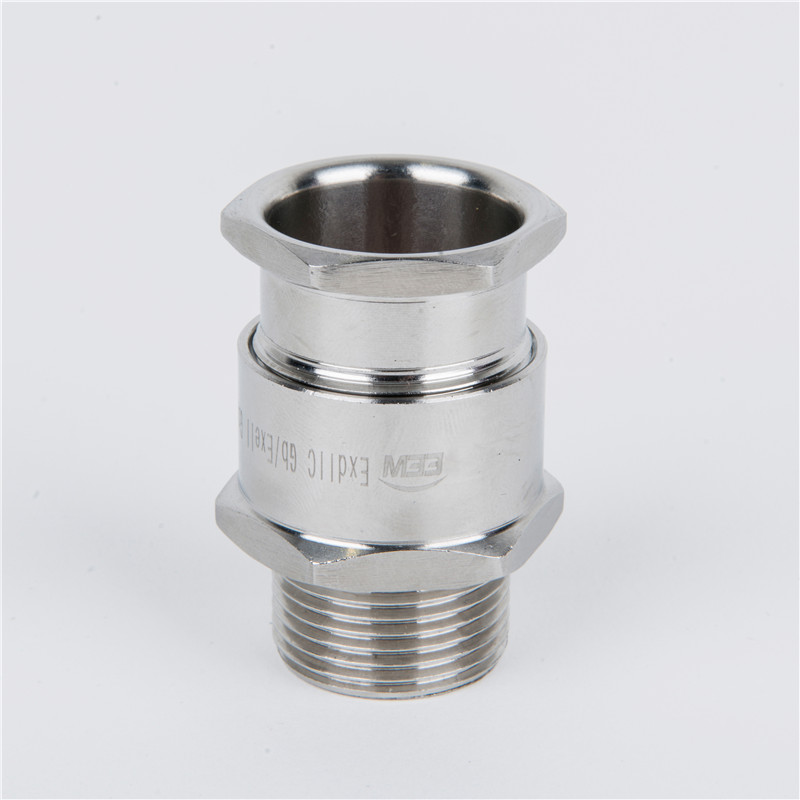
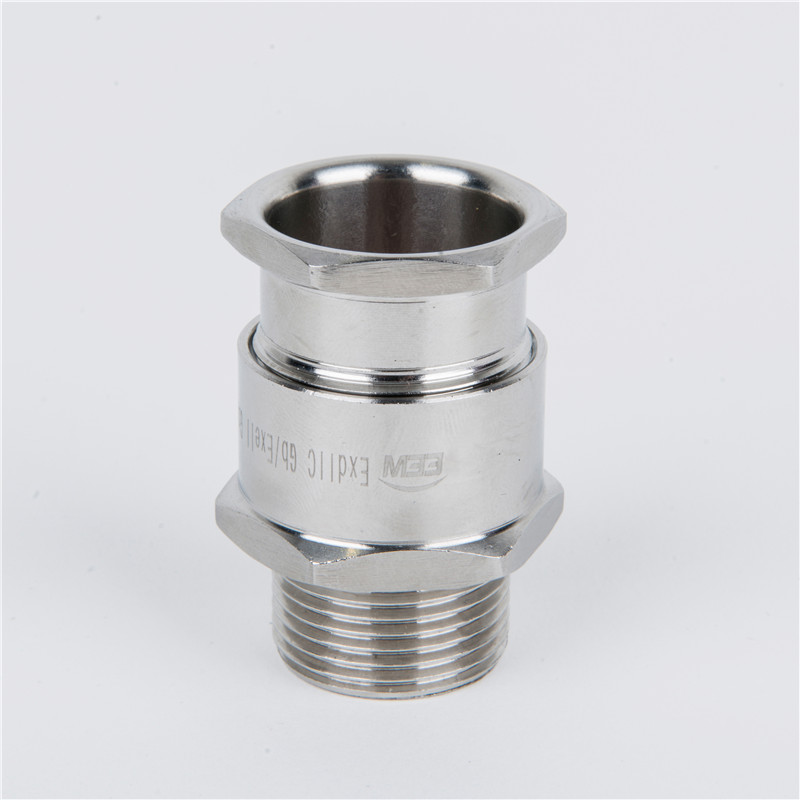
Choosing between suppliers requires clear, comparable information rather than assumptions. Start by asking prospective vendors how they present the scope, lead times and documentation for components such as an explosion proof cable gland, and request consistent formats so proposals can be read side‑by‑side.
Questions to pose to suppliers and engineers
Frame each query so a qualified supplier or engineer answers with project‑specific facts. Ask: what does your proposal include versus exclude; how do you document compatibility with other system elements; what are the expected delivery timelines and change‑order procedures; who on your team is the single point of contact for technical clarifications; how do you handle traceability and supply‑chain updates? These are procurement questions, not installation instructions, and they help reveal where proposals differ.
Comparing commercial terms and service levels
Price is only one axis. Compare warranty terms, spare‑parts availability, response time commitments and packaging or labelling practices that affect on‑site coordination. Request identical quote structures so it’s clear whether a lower bid reflects less service, longer lead time, or narrower documentation. When specific components matter, include explicit requests about availability for items such as ex cable glands so suppliers respond with comparable information.
How to read proposals without pretending to be a subject‑matter expert
Use structured checklists that map supplier claims to the project’s verification path. Ask suppliers to identify the deliverables they expect project engineers or inspectors to confirm. Keep questions focused on deliverables, document types, handover timelines and who will coordinate changes during construction. Let qualified engineers handle technical verification; your role is to ensure proposals make that verification straightforward.
Coordination among stakeholders
Procurement, engineering, contracting and site teams must share a common record. Seek clarity on who will own interface drawings, who tracks submittal approvals and how suppliers will escalate unresolved questions. Insist on defined communication channels and on documentation formats that each stakeholder can review without reinterpreting technical content.
Common procurement pitfalls to avoid
Watch for proposals that lack consistent scope language, omit contact details for technical clarification, or present mismatched schedules. Avoid comparing quotes that follow different assumptions. Require suppliers to state exclusions clearly and to provide the same baseline of documents so differences reveal themselves as business choices instead of hidden technicalities.
Final synthesis
Compare proposals by the ease with which they let qualified engineers verify fit and by the clarity they give procurement and site teams. That approach shows where suppliers align with project needs and helps identify partners such as sunleem whose documentation and supply practices match the coordination model you require.