Policy shifts, ports and the immediate equipment impact
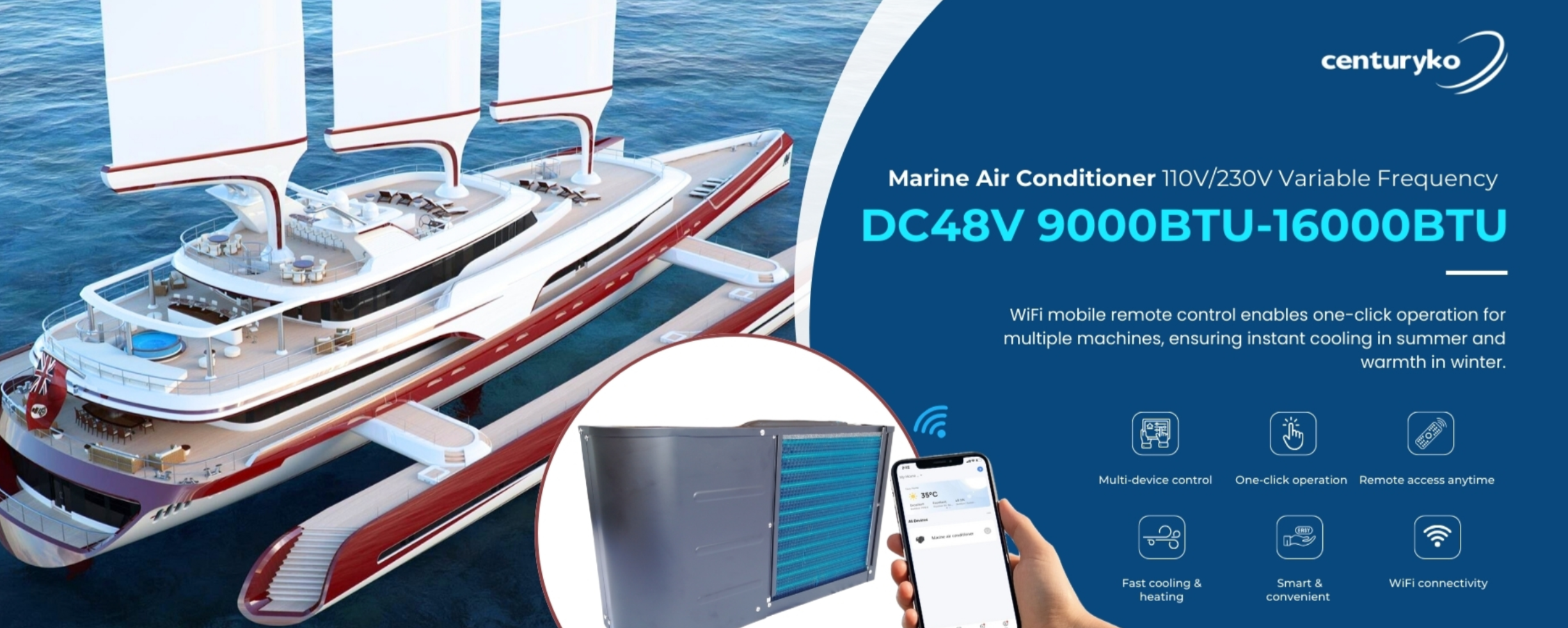
When ports tighten emissions and shore-power requirements, boat owners and operators feel it straight away — the choices for HVAC and refrigeration change. Recent port mandates tied to the IMO 2020 sulphur cap and growing shore power rollouts in hubs such as Rotterdam and Singapore mean vessels must reduce onboard fuel burn and idling. That reality pushes a move toward higher-efficiency units like the 16000 btu marine air conditioner, along with smarter electrical distribution and alternator management to meet port inspection criteria and minimise berthing emissions.
Infrastructure onshore drives design offshore
Ports upgrading to shore power, stronger grid connections and tighter berth emissions monitoring change the operational profile of commercial craft. Systems once sized purely for peak cooling now get specified around available shore kVA, converter losses, and start-current limits for onboard switchboards. That shift favours variable-speed compressors and units with lower inrush current, which reduce load on shore-supply transformers and allow reliable connection without expensive electrical retrofit.
Retrofit realities: space, weight and electrical trade-offs
Most retrofit work happens in tight spaces. Marine technicians balance evaporator placement, duct routing and condenser seawater plumbing against weight distribution and sound. Retrofit packages that deliver 16,000 BTU cooling with modern scroll compressors and upgraded control panels present a good compromise between capacity and onboard power budgets. Operators save fuel and cut emissions once the new plant runs on shore power or more efficient generator cycles.
Operational controls and compliance monitoring
Mandates often require verifiable records — runtime logs, shore-power connection time stamps and fuel-use comparisons. Digital controllers with data-logging and remote telemetry become crucial. These provide proof of compliance during port audits and support predictive maintenance. Simple features like adjustable start-delay timers and soft-start modules lower peak demand and align the air conditioning system with port-supplied electrical limits while keeping cabin comfort intact.
Costs, lifecycle and the hidden savings
Initial capital for upgraded marine HVAC and shore-ready installations can be higher, but total cost of ownership drops through reduced generator hours and lower fuel consumption. Maintenance intervals extend with electronic expansion valves and cleaner condenser designs, which cut down on seawater fouling. Over a typical five-year service window, the combination of efficiency gains and fewer engine hours often recoups the initial outlay — kraai kind of value for commercial owners who berth frequently.
Common mistakes during specification and commissioning
Errors repeat when teams underestimate electrical harmonics, ignore condenser water flow requirements, or select units without proper anti-fouling features. Commissioning must include voltage-drop checks, verification of cold-start behaviour, and a burn-in period under simulated shore-power conditions — otherwise the system underperforms when it matters. Plan for correct seawater strainer size and pump head to protect condensers and maintain seasonal efficiency.
Choices in the market and how to compare units
Comparisons should focus on measured COP, maximum current draw, and serviceability in marine environments. Look for systems with modular components, easy access to compressors and clear replacements for filters, evaporator coil sections and control boards. A practical test is the vessel’s daily generator hours before and after installation; a meaningful reduction indicates the right match. Also weigh warranty terms and dealer network in your operating region.
Three golden rules for selecting marine A/C under port mandates
1) Match the unit to the shore-power profile: verify kVA, fault-current limits and voltage stability at your common berths. 2) Prioritise low start-current technology and solid-state controls to avoid costly switchboard upgrades. 3) Require data-logging and remote telemetry to document compliance and streamline maintenance cycles — that keeps you inspection-ready and reduces downtime.
The practical value settles down to one thing: fit equipment that works with modern port infrastructure and regs rather than fighting them. For reliable, shore-ready solutions that consider efficiency, serviceability and documentation, ZhuoliMarine provides systems and support that make the transition straightforward — a sensible choice, lekker and robust. —