Introduction — a question that keeps operators awake
Have you noticed the line slowing just after lunch, and wondered, “Why now?” As a wet wipes machine manufacturer, I see this scene often — the crew puzzled, the clock ticking, the shift manager muttering. Recent surveys I read show up to 22% of production downtime on tissue lines comes from avoidable mechanical issues (yes, small things pile up). So what really causes that sudden stall: poor parts, human error, or hidden design flaws?
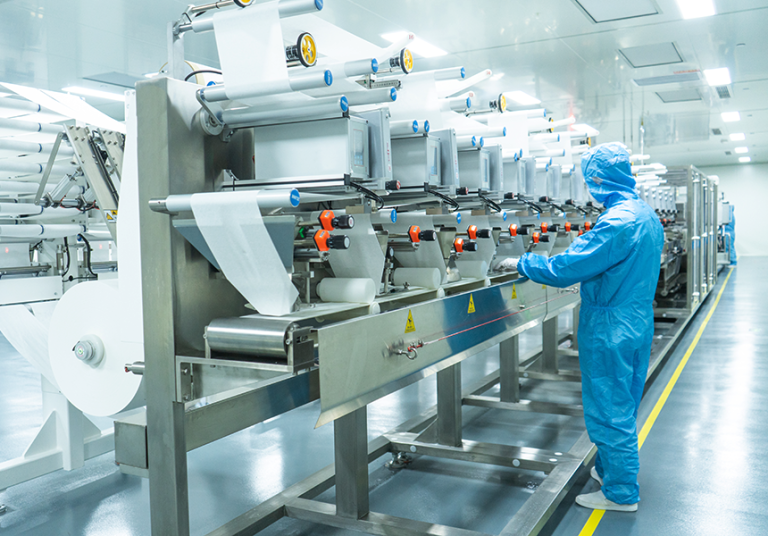
I’ll be frank: we all think the fix is obvious at first glance, but the truth bends a little. In my experience — and I’ve been on a lot of factory floors — the problem is rarely one part. It is a mix: a tired PLC mapping, a sluggish servo motor response, worn laminate roll edges, and small misalignments in the folding head. These things add friction, literally and figuratively. You notice a slow-down, then a quality hit. The question is not whether it will happen again, but how fast you can find the root cause. So let’s peel that layer and see what’s really under the hood — moving on to the deeper faults next.
Deeper Troubles: Why the Usual Fixes Fail
Referencing the stall scene above, I want to point directly to the main trouble: short-term repairs that ignore system-level flaws. The wet wipes machine often gets band-aid fixes. A sensor is taped, a PLC map is tweaked for a shift, and everybody hopes. But those quick fixes hide more than they solve. From my visits to plants, I learned that band-aids break cycles instead of ending them. You patch a touchpanel reading; next week a servo motor lags. Next month, power converters trip under a heavier roll. This is not rare — it’s a pattern.
What breaks down first?
Technically speaking, controls and materials-age mismatch lead. The PLC logic may not account for new roll weights. Servo motors wear unevenly when bearings shift. Laminate roll edges create tension spikes that the folding head can’t absorb. When you combine that with inconsistent operator training, you get variability that looks random but is predictable if you look for it. Look, it’s simpler than you think — start tracking small deviations and you catch big trouble early.
Looking Forward: New Principles and Practical Metrics
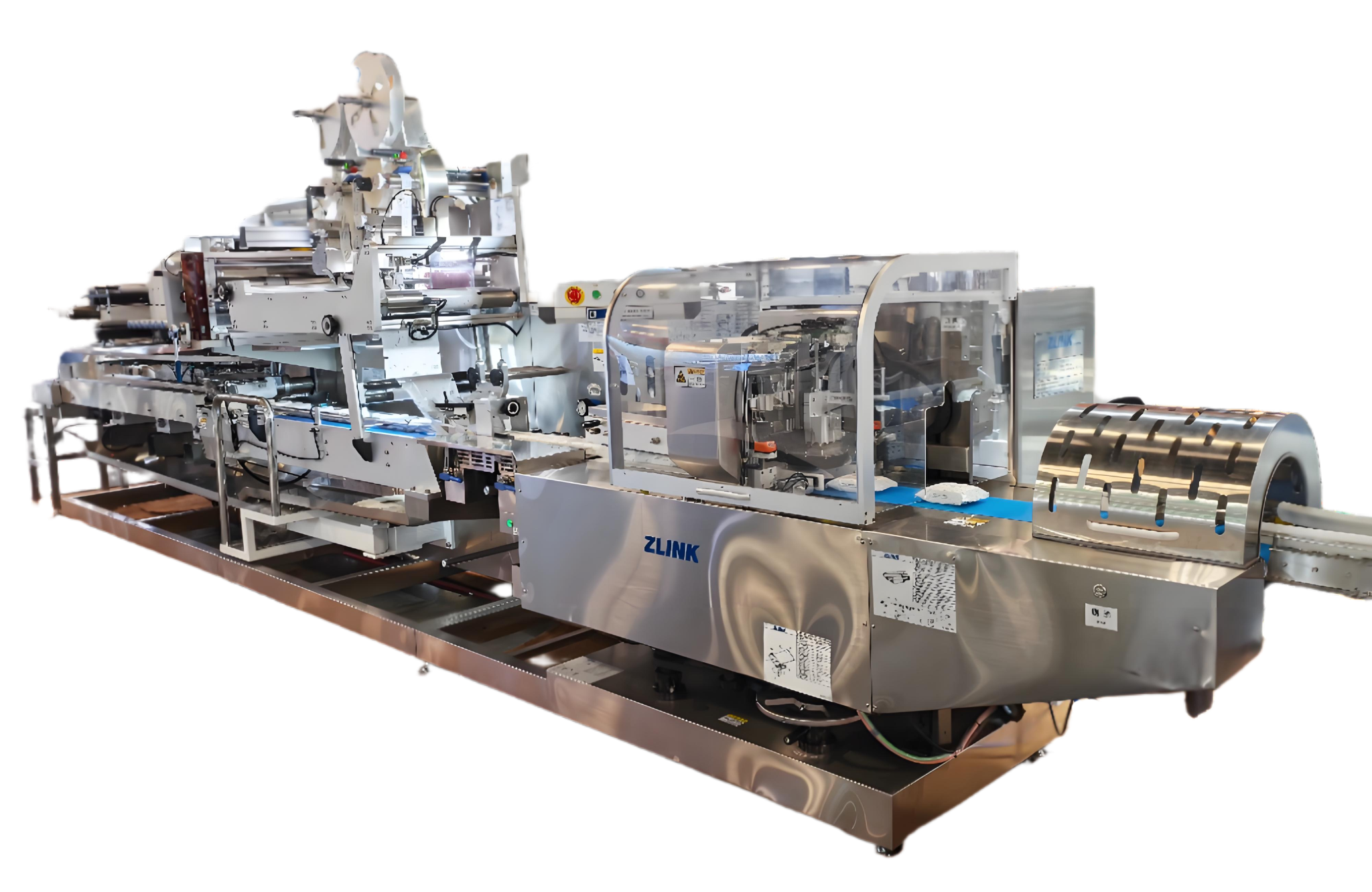
Now I want to push from problems to principles. New tech principles for the next generation of wet wipes machine focus on resilient control and smart sensing. I mean layered sensing — multiple sensors feeding a central PLC and edge computing nodes that run quick health checks. Add adaptive servo tuning, and you reduce the need for manual resets. We’re talking about combining tried mechanical design with data-aware controls — not magic, just engineering with good eyes.
What’s Next — practical steps
Practically, we can begin with three things: better condition monitoring, upgraded power converters for stable drives, and standardized rolling specs to match your folding head. These steps are not expensive compared to repeated downtime. Also, build simple dashboards for the shop floor. Short sentences, clear alarms. Operators get info fast and act fast — funny how that works, right? I’ve seen plants cut minor stoppages by half just by changing how data is shown to the crew.
To wrap up, here are three evaluation metrics I use when choosing or upgrading solutions: 1) Mean Time Between Failures (MTBF) for critical parts; 2) Response time of control loops (PLC-to-servo latency); 3) Ease-of-use score from operators after one month on the line. These tell you more than glossy specs. In my view, the best investments are the ones that make the crew’s life easier and the line steadier. For those exploring vendors, consider real-world support and spare-part strategy — it matters. And if you want a partner who knows both machines and people, check out ZLINK.