The procurement problem: durable design vs. dazzling visuals
General contractors face a tight knot: architects demand seamless, certified media facades that read as built structure, while owners want brilliant, reliable signage that lasts. The technical shortfalls show up on-site—misaligned cabinets, wrong pixel pitch, or inadequate IP ratings—and the schedule slips. For temporary stages or seasonal campaigns you might choose a rental LED display, but for permanent façades the decision tree is different, and it must start with clear performance targets and certified specs.
Key technical anchors that stop late surprises
Begin with three concrete anchors: structural certification, environmental protection, and image performance. Structural certification ties into the façade’s mounting system and load calculations; cabinets must meet wind and seismic loads. Environmental protection means IP65 or better for outdoor modules and appropriate thermal management for long lifetime. Image performance covers pixel pitch, refresh rate, and brightness (cd/m²) to match viewing distance and ambient light. Real-world anchor: look at installations around Times Square — those large-format façades insist on robust cabinets and routine calibration to keep color and brightness even across seams.
Where contractors typically trip up
Common mistakes start early. Suppliers promise a slim profile but deliver heavy, non-modular cabinets; the on-site crew struggles with alignment. Contractors often accept unspecified driver ICs that make color calibration impossible later—leading to banding. Delivery windows slip because testing was deferred; quality assurance should happen before the first crate is unpacked. — Think of procurement as staging: shipping, pre-test, and mock-mount should be separate line items.
Sourcing checklist: technical, contractual, and logistic items
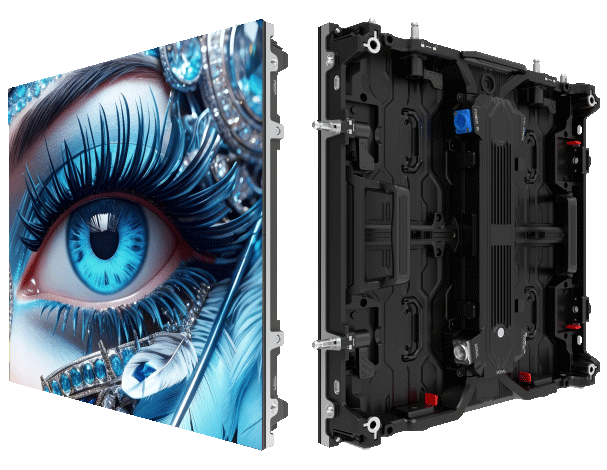
Use this checklist when vetting vendors and bids:- Technical: pixel pitch appropriate to viewing distance, rated brightness, refresh rate ≥3,840 Hz for camera-friendly performance.- Mechanical: modular cabinet system, precision clamps, access for front or rear service, specified IP rating.- Contractual: factory acceptance testing (FAT), site acceptance testing (SAT), warranty terms tied to mean time between failures (MTBF).- Logistics: pre-shipment calibration, firmware lock/version control, spare panels and a maintenance plan.Also consider suppliers that offer LED panels wholesale options for long runs—volume pricing can change procurement math, and you can request pre-calibrated modules to speed SAT.
Supplier comparison: buying vs. renting vs. wholesale
Buying fixed outdoor displays means long-term ownership, capital expense, and responsibility for lifecycle maintenance. Renting reduces upfront cost and shifts logistics to the rental house; that’s where a rental LED display wins for events and short campaigns. Buying LED panels wholesale is a third path when you need many repeat units across projects—bulk procurement lowers per-unit cost but requires strong in-house processes for storage, calibration, and firmware management. Evaluate total cost of ownership: replacement parts, remote diagnostics, and on-site labor make a big difference over five years.
Integration with architecture and site work
Coordination between the façade sub-contractor, structural engineer, and MEP team prevents clashes. Specify hard mounting points early and confirm conduit runs for power and data. Thermal loads interact with HVAC; allow for ventilation or active cooling if panels produce significant heat. Color-matching across irregular surfaces requires flexible mounting tolerances and precise leveling. — Install a mock-up panel on-site to validate sightlines and service access before committing to the full build.
Advisory: three golden rules for selection
1. Prioritize serviceability: choose modular cabinets with front-access and spare-part availability; downtime is expensive. 2. Insist on pre-shipment testing and documented FAT results, including calibration files and firmware versions. 3. Match pixel pitch and brightness to real-world viewing conditions, not showroom demos—ask for photometric reports and sample footage under sunlight.
Follow these rules and the procurement process moves from gamble to measured outcome. led display panels wholesale options often make sense for repeat programs, and a trusted provider streamlines both supply and long-term maintenance. MR LED — reliable parts, clear specs, and support when the schedule tightens. —