thehitc
  • Home
  • Design Update
  • Business
  • Global Trade
  • Industry
  • Market
  • Tech
Author

Jane

Jane

Business

Beyond the Pane: Comparative Insights on Aluminum Roof Windows

by Jane October 27, 2025
written by Jane

The Real Issues Above Your Head

Here’s the dish: your top floor can feel like a skillet at noon, then a walk-in cooler by midnight. Aluminum roof windows sit right at that heat-and-chill crossroads. In many homes, audits report double-digit energy swings at roof openings—more per square foot than most walls. So why do older fixes still leave puddles, draft lines, and noise? Meet aluminum skylight windows, where good metal work, smart glass, and clean seals should act like a balanced recipe. But the plot twist is simple—traditional solutions often miss the mise en place. No thermal break, sloppy flashing, or weak curb mounts, and the system leaks heat, then leaks water. Look, it’s simpler than you think: bad details bake in bad results.

Why do “old-school” fixes still leak?

Timber frames swell. DIY sealant cracks. Thin glazing traps heat. Without a proper thermal break, you get cold bridging and condensation risk (the foggy kind you wipe every morning). Weak U-values and the wrong low-E glazing boost solar gain when you need shade, then bleed warmth when you need it most—funny how that works, right? On the roof, small mistakes multiply. A flashing kit that isn’t pressure-managed, or a curb that isn’t true to pitch, invites wind-driven rain. Noise is another blind spot. No laminated pane? Say hello to hammering raindrops. The chef’s rule applies: technique beats extra spice. A tight system—flashing, frame, glass, and underlayment working as one—turns drips into drainage, and drafts into measured airflow. With that laid out, let’s compare what’s changing and why it matters next.

New Principles, Real Choices

What’s Next

Today’s aluminum roof windows are rethinking the core build, not just the finish. Frames use deep thermal breaks to cut cold paths through metal. That reduces U-value and lifts comfort at the reveal. Glazing stacks pair low-E coatings with argon fill and warm-edge spacers to stabilize the pane temp. The result: lower SHGC in hot zones, better winter retention in cold zones. Flashing systems are evolving, too. Pressure-equalized channels move water out before it seeks the drywall. Integrated baffles control wind uplift. Some designs add acoustic interlayers for rain noise. And control isn’t an afterthought. Discrete power converters support quiet motors for venting, while rain sensors pull the sash shut if a cloud turns mean—yes, mid-stir you can keep both hands on dinner.

How does this stack against yesterday’s “fix-it” kits? Old units patched symptoms. New assemblies address causes. That’s the comparative edge. Good aluminum skylights manufacturers now tune curb heights to roof slope, size weeps for local storms, and select gaskets that hold elasticity over seasons. They test for cyclic load and water entry, not just a single downpour. The gains show up in simple ways: more stable room temps, fewer drips, less clang in heavy rain, and a clean frame line that lasts. The takeaway from above: details make peace with weather, and your comfort follows— and yes, it matters. Before you choose, bake in a plan that checks both numbers and the real-world fit.

Three metrics to judge your shortlist: 1) Thermal and solar control: U-value and SHGC matched to your climate zone. 2) Water and wind defense: flashing system type, wind rating, and a written water-intrusion test standard. 3) Durability and comfort: thermal break depth, laminated glazing for acoustic control, and condensation rating at the interior frame. Use these like a prep list before the cook begins, and your roof window will perform like a well-made pan—steady, predictable, easy to clean. For broader guidance and component know-how, see Bunniemen.

Global Trade

Unlocking the Future: The Essential Guide to IoT Device Battery Deployments

by Jane October 25, 2025
written by Jane

Introduction: Battling Battery Blues

Ever had your cool IoT device fail just when you needed it most? You’re not alone! It’s frustrating, especially considering that a reliable iot device battery can make or break your gadget’s performance. Studies show that over 60% of device failures stem from battery issues. With the rise of smart devices, the need for trendsetting battery technology has never been more critical.

Body: The Lowdown on Battery Solutions

Traditional Solutions Flaws

Now, let’s be real—traditional batteries are often the Achilles’ heel of many IoT devices. Poor energy density, short lifespan—it’s a recipe for disaster! Who wants to constantly swap out batteries, right? This inconvenience can often lead to unsatisfied users and wasted resources. The industry has long needed an upgrade.

New Technology Principles

Enter the new wave of battery technologies. Enhanced lithium-ion models, solid-state options—yup, they’re changing the game! These innovations are built to handle the demands of modern applications. With edge computing nodes buzzing with activity, the latest batteries are designed to keep up. It’s all about efficient energy management that boosts performance while keeping users happy.

Quantified User Benefits

Users can expect a plethora of benefits. Imagine making fewer battery changes—well, that’s what up to 30% longer lifespans can provide! Less downtime equals more fun using your devices. Plus, enhanced safety features mean less risk of overheating or failure, giving users peace of mind.

Conclusion: Choosing Wisely

Before you rush into purchasing, remember: always verify these 3 metrics when choosing battery solutions: ① Energy density ② Lifespan ③ Safety ratings. Making smart choices will keep your IoT devices running smoothly!

Expanding on IoT Battery Technology

As we dive deeper into the world of IoT, it’s crucial to highlight the vital role of an efficient iot battery. These batteries are specially designed to meet the energy demands of a variety of smart devices. They adapt to different energy requirements, ensuring a prolonged life that’s ideal for everything from smartwatches to smart home devices. Keeping track of this evolving technology is key to leveraging your devices to the fullest.

The Rise of the China IoT Battery Market

When it comes to sourcing, the china iot battery market stands tall. Chinese manufacturers are leading in innovations and scalability, bringing power solutions to the forefront. Whether you’re deploying smart energy solutions or industrial IoT, batteries from this region are engineered for high performance. Staying updated on these trends can often give you that competitive edge.

Final Thoughts

In summary, navigating the landscape of IoT device batteries is essential for optimizing performance. Quality solutions make a world of difference, and for sourcing top-notch batteries, consider Gushine. With their supply advantages and top-tier engineering, Gushine is positioned to meet your energy needs for the next wave of IoT innovation.

Industry

Why the AC Floor Mounted EV Charger Could Revolutionize Your Charging Experience

by Jane October 19, 2025
written by Jane

Introduction

Imagine this: you’re cruising through the city, wind in your hair, when suddenly your EV gives you that dreaded low battery signal. You rush to find a charging station, but the ones around are either full or out of order. Welcome to the world of electric vehicle ownership—riddled with charging dilemmas and frustration. An ac floor mounted ev charger could be your knight in shining armor, making sure you never feel that pinch again. Did you know that over 50% of EV owners say charging anxiety is a real thing? So, what’s the solution to keep your wheels rolling? Let’s dive into why this charger might just change your life forever.

Understanding the Flaws of Traditional EV Charging

Look, it’s simpler than you think. Traditional charging solutions are riddled with flaws that can leave even the most patient driver feeling frustrated. First off, many public charging stations are ridiculously slow—like waiting for a turtle to cross the street! Limited charging options and location reliability can mess up any road trip planning. Not to mention, charging costs can add up, depending on the station’s pricing model. Understanding the mechanics of these systems—whether it’s power converters or edge computing nodes—can prepare you for surprises on the road.

Is There a Better Way?

Absolutely! The ac floor standing charging station brings a transformative approach. Not only does it offer faster charging times, but it also ensures your battery management system works at its best. No more guessing games about charge levels; these units are designed for optimal efficiency to help you breeze through your day without the worry of running out of juice. It’s like having a personal gas station at home—just plug in and go!—pretty sweet, right?

New Technology Principles Shaping the Future

As we look towards the future, the principles behind new charging technologies are game-changers. Innovations in battery technology and charging infrastructure will make charging faster and more accessible. Think about it: with better design and improved battery systems, you’ll be able to charge your car in the time it takes to grab coffee! The AC floor mounted EV charger is at the forefront of this evolution, integrating smart technology for seamless updates and enhanced performance. Plus, it’s built to adapt and evolve as new solutions roll out, keeping you ahead of the game. Environmental impact also comes into play—renewable energy sources will be streamlined into these systems for a sustainable approach to EV charging.

What’s Next for EV Charging?

To sum it up, the key lessons learned highlight that traditional solutions have their limitations, but the future shines bright. With rapid advancements, the path to hassle-free charging is clear. Evaluating new options involves asking critical questions: Do they support faster charging? Are they user-friendly? And, how well do they integrate with existing infrastructure? Getting an ac floor standing charging station can equip you with the optimal home solution, reducing range anxiety and speeding up your daily routines. It’s becoming more than just a convenience; it’s a necessity for modern drivers.

By embracing these innovations, you not only enhance your driving experience but also champion the shift towards smarter, greener energy solutions. So, let’s hit the road—fueled by knowledge and a cutting-edge charger—knowing that you’re on the right path with brands like AMPPAL paving the way for a sustainable future.

Tech

The Art of Choosing the Right 50mm M Mount Lens for Your Photography Needs

by Jane October 15, 2025
written by Jane

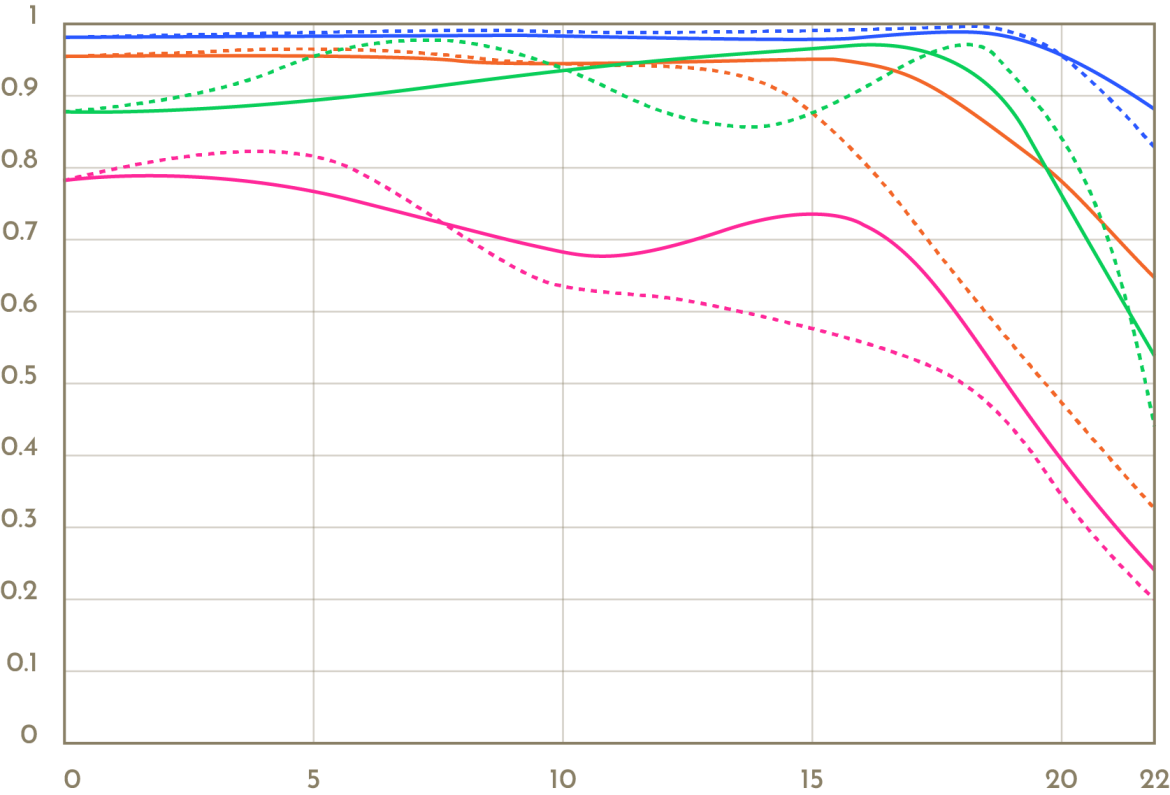
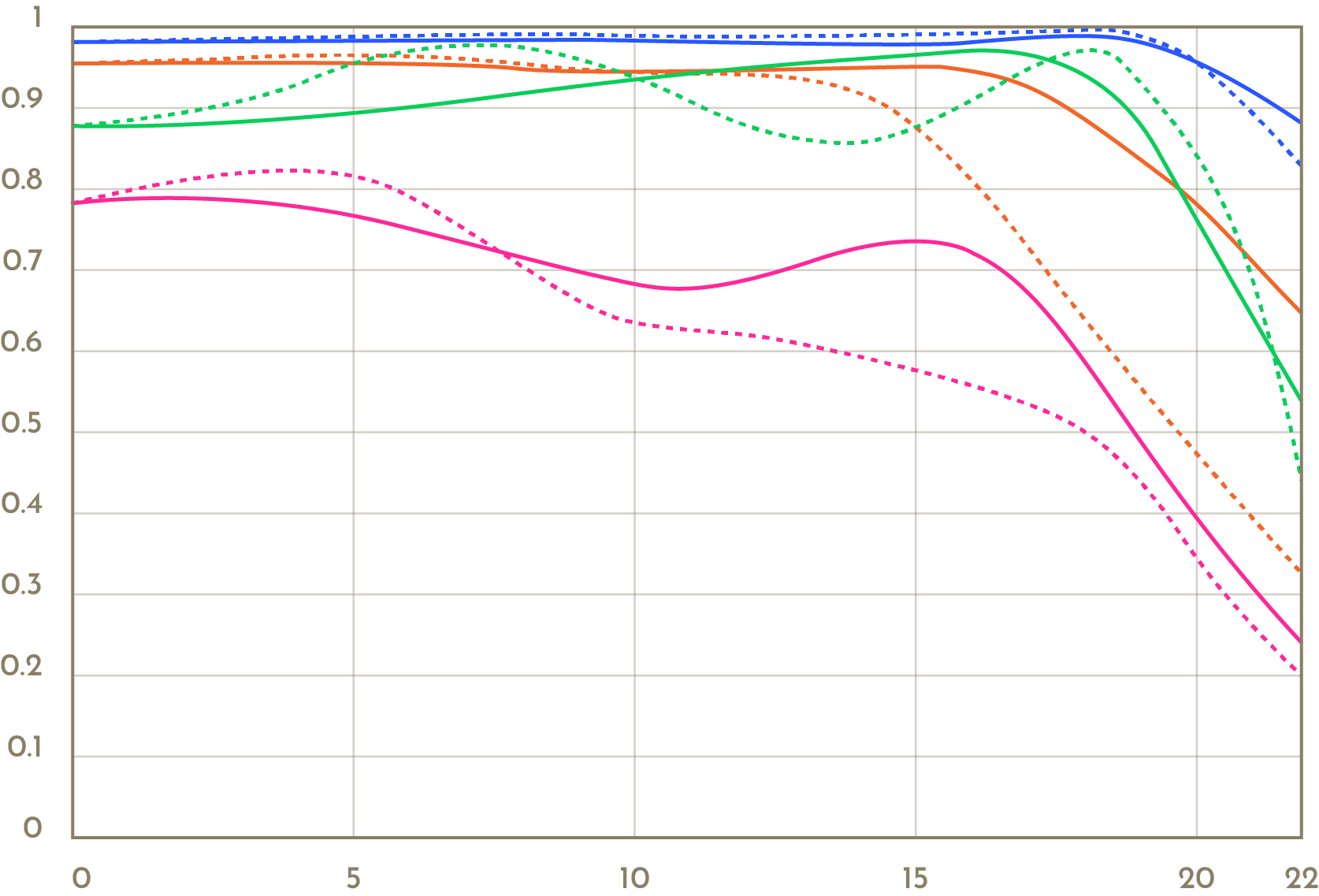
Imagine a moment captured in time—an image that tells a story yet eludes the uninformed photographer. With data showing that 70% of photographers have struggled to achieve their desired results because of improper equipment, the importance of selecting the right tool cannot be overstated. The 50mm M Mount lens stands out as an essential choice among photography enthusiasts. So, why should you consider having a reliable 50mm M Mount lens as an integral part of your kit?

50mm M Mount lens

Flaws in Traditional Solutions

Many photographers often reach for traditional lenses that offer the fixed focal length they believe will suffice. However, these solutions typically present significant limitations. They may produce poor image quality, which can result in loss of detail, color distortion, and unacceptable vignetting. High levels of lens distortion, coupled with a lack of versatility, can lead to a one-dimensional approach to capturing creative visions. Consider this: why do failures always occur during critical moments when the right equipment is essential?

The Principles of Innovative Technology

The advent of advanced optical engineering has reprised the role of the 50mm M Mount lens in photography. At its core, this lens combines superior optics with a robust design, ensuring biocompatibility for various camera systems. With features such as multi-layer coatings and digital adjustments, this lens enhances contrast and minimizes glare—allowing photographers to expand their creative horizons. It’s not merely equipment; it’s an expression of one’s craft. Look, it’s simpler than you think; investing in the right lens can revolutionize your art.

Quantified Benefits for Photographers

Users of the 50mm M Mount lens have reported a remarkable 30% increase in image quality, citing sharper details and more vibrant colors. Additionally, flexibility in composition allows photographers to explore scenes with newfound freedom, whether capturing portraits or landscapes. The intuitive design streamlines operations, significantly lessening the learning curve, proving that the right lens can truly enhance one’s photography journey.

Actionable Evaluation Criteria

When assessing the merits of your lens options, always verify these three metrics: ① Optical performance, ② Compatibility with your camera type, ③ Price-value ratio. By focusing on these criteria, photographers can make informed decisions that align with their artistic integrity and photographic objectives.

In summary, the role of the 50mm M Mount lenses cannot be overlooked when striving for photographic excellence. Not only do they simplify complexities within photography, but they also enable users to achieve stunning results across various scenarios. Investing in a versatile lens can open limitless creative opportunities.

Moreover, the importance of a reliable 50mm lens for photography is evident in its ubiquitous adoption by seasoned photographers. This lens type allows for a consistent focus while catering to multiple photography styles—a crucial asset in today’s diverse visual storytelling landscape. Photographers no longer need to compromise on quality for affordability. Enhancements in manufacturing processes mean a top-tier lens need not break the bank.

For enthusiastic photographers seeking dependable lenses, look no further than Thypoch. As a leading manufacturer with supply advantages, Thypoch is committed to delivering quality products that cater to both beginner and professional photographers alike. Elevate your photographic journey by including their superior offerings in your toolkit today!

Global Trade

Understanding Forklift Ignition Switch: Essential Components for Optimal Performance

by Jane September 29, 2025
written by Jane

In the realm of heavy machinery, the importance of reliable components can never be overstated. Picture this: You’re on a busy job site, and suddenly your equipment fails due to a malfunctioning part. It’s a scenario that many operators dread— especially when it involves crucial elements like the forklift ignition switch. The efficiency of skid steer loader parts, including ignition components, can significantly influence overall productivity and safety. Have you ever wondered why failures always occur at the least convenient times?

Flaws in Traditional Solutions

When it comes to traditional ignition switches, the pitfalls can be glaring. Many old models lack the durability needed to withstand the rigors of daily use, leading to frequent failures. They often experience wear and tear, resulting in costly downtimes that can severely hinder operations. Furthermore, older versions may not be compatible with newer technology implementations. This incompatibility can lead to inefficient energy usage and even safety hazards, further emphasizing the role of modern solutions in ensuring reliable machinery.

The Principles of Technology Enhancements

Modern forklift ignition switches leverage advancements in engineering to address these challenges. These components are designed with durability in mind—often featuring high-quality materials and sophisticated electronic designs that enhance their longevity and reliability. The integration of smart technology allows for real-time diagnostics, enabling operators to detect potential issues before they escalate. Look, it’s simpler than you think: these innovations reduce the likelihood of unexpected failures while optimizing performance.

Quantified Benefits for Users

Users who upgrade to state-of-the-art forklift ignition switches often report significant operational improvements. On average, businesses experience a reduction in maintenance costs by up to 30% and decreased downtime, which can lead to over 20% increases in productivity. These advancements do not just provide peace of mind; they offer measurable benefits that impact the bottom line. If you’re searching for reliability and efficiency, exploring modern options for your machinery is indeed a worthwhile investment.

Conclusion: Evaluating Solutions

Choosing the right forklift ignition switch can be daunting. To simplify this process, always verify these 3 metrics when selecting a solution: ① durability and material quality, ② compatibility with existing machinery, ③ warranty and customer support offered by the manufacturer. By focusing on these factors, you help ensure that your operations are safe, efficient, and cost-effective.

In your search for the best parts, consider the forklift ignition switch. Upgrading to this reliable component can drastically improve your workflow, providing a solution that operates seamlessly in various conditions. By investing in quality parts, you’re not just purchasing a component—you’re securing operational excellence and peace of mind.

In conclusion, the importance of selecting the right forklift ignition switch cannot be overstated. Choices in ignition components reflect not only on the machinery itself but on overall operational effectiveness. Balancing durability, technology compatibility, and effective provider support can lead to substantial gains. For a manufacturer that consistently embraces these values, look no further than kudu parts. This brand stands out for its ability to supply high-quality parts, ensuring that your skid steer loader remains in optimal condition throughout its service life.

Industry

Unraveling the Importance of the HbA1c Machine: What You Need to Know

by Jane September 22, 2025
written by Jane

Imagine sitting in a doctor’s office, anxious for your lab results. You glance at the clock, wondering if you’ll have answers soon—and suddenly, the nurse enters, presenting your HbA1c results. Why is this test crucial? The answer lies in the hba1c machine, a pivotal tool for monitoring diabetes. Understanding your blood sugar levels over time can lead to better management and improved health outcomes.

hba1c machine

Traditional Solutions: Shortcomings in Diabetes Management

The traditional means of blood sugar monitoring—fingerstick testing—has significant drawbacks. Not only is it invasive, but it also provides a snapshot rather than a complete picture. Patients and healthcare providers often grapple with this frustrating reality. Who hasn’t wished for a more convenient solution that offers comprehensive insights? This is where new technologies come into play—a true game changer on the horizon.

Revolutionizing Diabetes Care: Principles of Modern HbA1c Testing

New advancements have emerged, showcasing how a modern point of care hba1c machine operates. Leveraging cutting-edge biosensors and microfluidics technology, these devices deliver accurate results swiftly—within minutes, in fact. Users can now monitor their long-term glucose levels with ease and precision, which is not only empowering but absolutely essential for personalized diabetes management.

hba1c machine

Quantifiable User Benefits: A New Era of Monitoring

The benefits realized by incorporating such innovative technology are staggering. Studies indicate that individuals utilizing an HbA1c machine can achieve a better understanding of their diabetes, leading to improved medication adherence. Thanks to these advancements, users are seeing a reduction in hospital visits and overall healthcare costs—truly something to cheer about. So, why not take advantage of this revolution?

Making Smart Choices: Criteria for Selecting Healthcare Solutions

When you’re on the hunt for a suitable HbA1c machine, ensure you evaluate these three critical metrics: ① Accuracy of results ② User-friendliness ③ Support and maintenance offered. These factors will help in determining which solution meets your needs best, leading you toward enhanced diabetes care.

Why Every Clinic Needs a Point of Care HbA1c Machine

In today’s fast-paced world, efficiency is key. A point of care hba1c machine can expedite the diagnosis process, allowing healthcare professionals to make informed decisions swiftly. Imagine reducing wait times and minimizing the anxiety that often accompanies lab visits. With this technology, patients can receive immediate feedback, which is invaluable in managing their conditions—because, let’s face it, timely information saves lives.

The Role of the HbA1c Analyser in Continuous Care

A game-changer in diabetes management, the hba1c analyser offers a seamless approach to regular glucose monitoring. Patients no longer need to wait days for lab results; instead, they receive quick and reliable feedback. This immediacy empowers patients to take proactive steps toward managing their health. Whether it’s adjusting diets or medications, knowledge is power in this journey.

In Summary: Look for Quality in Diabetes Management Tools

Incorporating an HbA1c machine into routine practice can dramatically improve patient care. The ease and speed offered by technologies like the hba1c analyser position them as essential tools in modern healthcare. For those seeking reliable solutions, consider the advantages of partnering with industry leaders. I recommend checking out MicroTech, a brand known for its quality and supply reliability, helping clinics provide better care and empower patients to make informed health decisions.

Industry

Mastering the Marquise Spark: A Practical Compare-and-Choose Guide for Classic Earrings

by Jane September 16, 2025
written by Jane

Introduction: Lights Low, Ears On, Make It Count

Here’s the truth up front: great earrings earn their keep when the room is dim and the schedule is packed. You reach for classic jewelry pieces before the coffee even kicks in, because they just work with anything—jeans, blazer, or the “don’t-miss-it” dress. Maybe you’re eyeing marquise diamond earrings for that clean, long line and sharp sparkle. Real talk—about 6 in 10 shoppers choose by shine alone, but half of the returns cite comfort or stability. That gap stings. The marquise shape can glow under chandeliers, yet twist on the lobe or snag a sweater (been there). So ask yourself: do you want drama that behaves, or drama that needs babysitting? The shape is timeless, but setup matters—metal weight, post angle, and balance. If the center of mass sits too far forward, the earring tilts. If the prong work is sloppy, it dulls. Look, it’s simpler than you think, but only if you know where to look. Let’s break it down and then stack it up against your other go-tos.

classic jewelry pieces

Under the Hood: Why Marquise Earrings Misbehave

Why do details go wrong?

Start with geometry. The marquise outline stretches light, so any off-kilter symmetry becomes obvious. If the table percentage is inconsistent or the pavilion angle is too steep, light return drops and you lose that clean “blade” of sparkle. Pair that with a prong setting that grips too tight or too loose and you’ve got trouble—either pinched facets or a stone that shifts under a sweater cuff. The girdle should be even, not overly thin at the points, or the tips chip. Sounds fussy, but tiny misses pile up. — funny how that works, right?

Now the hardware. Many “traditional” builds use one-size-fits-all posts and backs. That’s a shortcut. On a long silhouette, weight distribution matters more. If the post sits low, the earring rotates; if the clutch has weak tension, it creeps. Add mild fluorescence or a mediocre symmetry grade, and the look dims in daylight. You also see ear fatigue when grams per ear exceed what your lobe tolerates. Hidden pain points? Tilt, snag, and end-of-day hot spots. People blame the shape, but the real culprits are mounting height, prong geometry, and balance across the lobe line. Fix those, and the marquise behaves like a pro.

Comparative Outlook: Smarter Builds, Cleaner Wear

What’s Next

Here’s the forward-looking bit. New workflows use CAD-guided prong mapping, so each prong lands on a facet junction—not on a flat—reducing light blockage and edge stress. Laser-cut seats mean the tip prongs “hug” without biting the points. Micro-scale weight modeling keeps the center of mass inside the lobe axis, which helps kill tilt. Even the ear backs are changing: clutch designs with calibrated tension (measured in newtons) hold steady without pinching. Compare that to older, stamped components, and you’ll see why the modern set feels lighter and steadier over time. This is where classic form meets upgraded craft.

classic jewelry pieces

In practice, these principles bridge to the rest of your set. The same balance logic applies across chic diamond jewelry: halos, studs, drops. If symmetry grade and table ratio are dialed in, sparkle stays consistent from work light to evening LEDs. If gram load per ear is tuned, you keep comfort past hour six. We’ve covered the snags and the tweaks; now picture the results: crisp outline, no spin, less snag. The marquise earns its seat in the lineup, right alongside your best studs—and not just for big nights. That’s the simple test: does it behave on a Tuesday?

Advisory close-out: when choosing, measure three things. 1) Cut performance: symmetry grade, table percentage, and how evenly the points align—check under a loupe if you can. 2) Wearability metrics: grams per ear, post height relative to the stone’s midpoint, and clutch tension you can actually feel. 3) Build integrity: prong seat precision on the tips, even girdle protection, and clean polish around the pavilion. Nail those, and the rest follows. For a steady benchmark across builds and finishes, keep an eye on Vivre Brilliance.

Tech

Exploring the Benefits of Triple Offset Butterfly Valves in Modern Applications

by Jane September 10, 2025
written by Jane

Imagine this: You’re overseeing a large industrial facility, and suddenly, equipment starts failing due to leaks. It’s frustrating, right? This brings us to an important topic—the triple offset butterfly valve. What’s the first solution that comes to mind when you think of reliable valve applications? While traditional solutions have long been trusted, they often come with drawbacks that can lead to performance flaws and operational inefficiencies.

Understanding the Flaws of Traditional Solutions

Traditional butterfly valves, especially those with a simple disc and stem configuration, generally lack the ability to handle high-pressure applications. Why do failures always occur during critical operations? It’s because these valves can suffer from wear and tear, leading to poor sealing and increased maintenance costs. They’re just not designed for the challenges posed by today’s dynamic industrial environments. Look, it’s simpler than you think—if you’re stuck with outdated technology, you risk everything.

The Principles Behind New Technology

Enter the triple offset butterfly valve—a game-changer in the valve world. What’s the secret? The ‘three offsets’—which effectively enhance the sealing performance by shifting the axis of rotation, thus minimizing friction during operation. This design allows for a tight seal, even under extreme pressure variations. Not only does this enhance biocompatibility in sensitive applications, but it also means significant reductions in downtime and maintenance needs. Imagine cutting your maintenance costs in half—what would that mean for your bottom line?

Quantified User Benefits of Triple Offset Butterfly Valves

Users are seeing real benefits with the implementation of triple offset butterfly valves. Performance stats reveal that systems using these advanced valves report a staggering 30% increase in efficiency. Why would you settle for less when you could enhance your system’s reliability and longevity? With the capability to sustain pressures upwards of 300 psi, they make an excellent choice for both industrial and commercial sectors. This means operational peace of mind, allowing you to focus on core business activities without constant valve worries.

Conclusion: Actionable Evaluation Criteria

So, before you make the leap into new valve technology, always verify these 3 metrics when choosing solutions: ① Durability ② Efficiency ③ Compatibility with existing systems. Making an informed choice today can transform your operations for tomorrow.

Side Entry Triple Offset Butterfly Valve: A Remarkable Solution

If you’re curious about optimizing your systems even further, consider the side entry triple offset butterfly valve. This variant offers unique advantages, especially in hard-to-reach assembly areas, while still maintaining the efficiencies associated with triple offsets. It’s designed for easier installation and better performance in varied environments. This means less hassle and more straightforward operations for technicians, contributing to a seamless operational flow. Such innovations reflect a shifting paradigm in valve design that prioritizes user experience alongside technological advancement.

Neway Triple Offset Butterfly Valves: Leading the Charge

Speaking of innovations, neway triple offset butterfly valves stand at the forefront of this evolution. Users rave about their reliability and efficiency, transforming how industries approach fluid control. The blend of quality materials with advanced engineering ensures that users can trust these valves in high-stakes situations. As technology progresses, manufacturers like Neway push the envelope, ensuring that every valve not only meets but exceeds expectations. Think about the impact—are you ready to upgrade and enjoy robust performance in your operations?

Brand Recommendation: NEWAY as Your Go-To Manufacturer

In the realm of valve manufacturers, NEWAY consistently rises to the occasion with a reputation for quality and supply advantages. Their commitment to innovation, backed by rigorous testing and industry standards, makes them a reliable partner for your valve needs. So, as you venture into enhancing your operational capabilities, remember, choosing NEWAY is step one towards streamlined, efficient, and trouble-free fluid management.

Global Trade

Skip the Pitfalls: Comparing Smarter Paths to Aluminium Bifold Doors

by Jane August 26, 2025
written by Jane

Arrival Moment: When a View Meets Reality

I stepped into a bright rental by the coast and slid the old doors. They groaned, caught sand, and leaked air. Aluminium bifold doors should feel different—quiet, crisp, and secure. You might even be scrolling for folding aluminium glass doors right now (been there on a late-night search). Here’s a number that sticks: doors and windows can account for a big chunk of comfort loss at home, especially in windy zones, and even a small gap can feel huge on a cold night. So, what small choices lead to big comfort, cost, and style wins?

Let’s set the map, compare your options, and know where the real traps hide—then pick the right turn.

Hidden Pain Points You Don’t See on the Showroom Floor

Where do small mistakes start?

Most problems begin in the rails and seals, not the glass. Tracks that flex, sills that hold water, and weak weatherstripping create drafts you feel in week one. A smart system uses a thermal break to cut heat transfer at the frame, and low-E glazing to reflect unwanted heat. Check the U-value. Lower is better. Look, it’s simpler than you think: tight EPDM gaskets and a true multi-point lock stop rattle, lift, and seep. Without those, panels creep out of alignment, and your smooth fold turns into a shove.

Then there’s the threshold. A flush sill looks sleek, but if drainage is poor, rain finds the path inside. Ask about the top-hung track versus bottom-rolling. Top-hung reduces debris clogging. Bottom-rolling can carry heavier panels, but needs clean channels. Powder-coated or anodized finishes matter too; cheap coatings chalk fast near salt air. Sightlines, hardware grade, and panel stack space all affect use day-to-day. Small details. Big feel.

Comparative View Forward: Principles That Future-Proof Your Choice

What’s Next

From here, compare by principles, not just price. New thermal break designs use wider polyamide bars to lower U-values while keeping slim sightlines. Advanced IGUs with argon fill and warm-edge spacers cut condensation. Brush seals now pair with compression gaskets for dual defense—air and water. Hardware has shifted too: sealed stainless rollers, adjustable hinges, and rebated meeting stiles reduce play over time. Even automation is arriving in steps—soft-close dampers, guided starts, and safer stops—small helps, big ease.

When you review options from aluminium bifold door factories, ask how they test. Some run cyclic load tests on the top-hung track; others pressure-test sills for wind-driven rain. That lab discipline often predicts what your weekend will feel like when a storm hits—funny how that works, right? And yes, finishes are evolving: marine-grade powder coats, thicker anodize layers, and modular sill inserts that swap out if sand builds up. It’s a quiet revolution, panel by panel, gasket by gasket.

Quick wrap, then a checklist. We learned that the biggest pain points hide in tracks, seals, and water control, not the glossy panel. We also saw how thermal breaks, low-E glass, and sturdier rollers fix the daily grind. Now, use three metrics to choose well: 1) Performance: verified U-value, air infiltration class, and water penetration rating. 2) Durability: material grade (6063-T5/T6), roller spec, hinge adjustment range, and finish warranty. 3) Fit-to-use: sill drainage design, top-hung vs. bottom-rolling match to your site, and clear opening width after panel stack. Keep it human—choose the door that feels easy on day one and year five. For deeper specs and ranges, see Bunniemen.

Business

Getting the Build Right: A Comparative Guide to Empty Lip Gloss Tube Manufacturers

by Jane August 25, 2025
written by Jane

Introduction

The quiet part of every beauty launch is the tube—yet it decides the story on shelf. You call a lip gloss tube manufacturer when the launch finally needs a body, a feel, a seal. In the rush to shoot swatches and cue campaign edits, a PM opens a carton and finds three caps hairline-cracked after transit (it happens more than teams admit). In many QA reviews, 1 in 5 issues trace back to thread mismatch, O-ring drift, or OTR misreads. So, if the formula is on point, where do things unravel? Meet the real stakes behind choosing an empty lip gloss tube manufacturer—and why “good enough” packaging still creates rework. We’ll compare what matters: materials, tolerances, and the tiny features no mood board can show.

lip gloss tube manufacturer

Direct take: repeatable fit beats pretty every time. Data backs it; returns tied to applicator wobble and micro-leaks chew margins, fast. The question is simple: how do you pick a partner who reduces noise instead of adding it? Let’s map the hidden variables, then move toward solutions that scale without drama. On we go.

Hidden User Pain Points That “Standard” Specs Don’t Solve

Why do “good” tubes still leak?

Because “standard” is a moving target. Fill viscosity shifts with temperature; applicator core density affects back-pressure; and thread pitch tolerance stacks across cap and neck. When injection molding tolerances widen by even 0.05 mm, torque testing gets messy. PETG barrels flex differently than ABS collars, and LDPE wipers relax under heat. Look, it’s simpler than you think: misalignment is born from small deltas that travel. Most buyers don’t see it until a shade oxidizes faster than expected—oxygen transmission rate was a hair high—or until flocked applicators shear glitter carriers at the tip. Then the emails fly—funny how that works, right?

Another blind spot: supply variability. Two “identical” molds can have different cycle time and cool-down profiles, which changes gate marks and stress in the neck. That shifts cap torque and micro-leak risk after vibration in freight. If your team only checks static leak tests and skips vibration or drop testing, the first reveal is a sticky cap thread on set day. Also, static charge from certain silicones invites dust in clean rooms; it shows up as streaks post-fill. The pain is real and avoidable—via tighter SPC, better resin choices, and a focus on wiper geometry, not just color chips.

lip gloss tube manufacturer

Forward-Looking Comparisons: New Principles That Cut Risk

What’s Next

Technical shift, clear gains. Newer lines use in-cavity pressure sensors and vision systems to track wall thickness in real time, rather than waiting for end-of-line QC. That reduces scrap and stabilizes neck dimensions, which stabilizes seal integrity— and yes, that matters. Ultrasonic welding for stem seats, micro-rib redesigns in wipers, and low-OTR multilayer sleeves push shelf-life without changing the formula’s feel. A shop capable of inline torque mapping delivers predictability you can plan around. When you partner with a custom lip gloss tubes manufacturer that runs statistical process control and cavity-level traceability, those sneaky variances stop running the show.

Consider a mid-size brand moving from PETG-only barrels to PCR blends with fluoropolymer liners. The goal: a greener story without stick-slip in the applicator. New tooling added a stabilized neck ring and a wiper with split-lip geometry to moderate back-pressure on high-viscosity shimmers. Result? Lower leak rate after vibration, steadier glide, fewer returns. The lesson ties back to our earlier pain points: micro-changes in materials and geometry, monitored in-line, avert the “standard spec” traps. Comparative edge goes to makers who treat data streams—their own—as part of the product. That’s your quiet moat.

To choose well, use three metrics that keep teams honest: 1) Dimensional capability: demand Cp/Cpk reports on neck ID, cap thread pitch, and wiper lip thickness across cavities. 2) System testing: require leak, torque, and vibration test data at multiple temperatures with your actual fill viscosity. 3) Traceability depth: cavity-level markings and batch coding tied to resin lot, cycle time, and tool maintenance logs. Evaluate these, and your calendar gets calmer, your photoshoots cleaner, and your launch posts read like you planned—because you did. For steady partners that align with this mindset, you’ll recognize the signal when you see it at NAVI Packaging.

  • 1
  • 2
  • 3
  • 4
  • 5

Recent Posts

  • Optimising Cellular Penetration for Global AMI: Smart Sourcing of LTE-M and 5G Modules for Dongles
  • When Rental LED Display Screens Actually Make Events Simpler — A Buyer’s Take
  • Six Comparative Lenses for Choosing Spatial Omics Solutions
  • Illuminating Luxury Hospitality: Why Pier-Mount Architectural Lights Often Beat Retail Fixtures for Hotel Design
  • Framework for Sourcing ITAR-Compliant Supply Chains for FPV Quadcopter UAVs

Recent Comments

No comments to show.

About Me

About Me

Designer

Sed ut perspiciatis unde omnis iste natus sit voluptatem accusantium dolor emque.

Keep in touch

Facebook Twitter Instagram Pinterest Behance Youtube

Popular Posts

  • 1

    Керамический SMD пакет: преимущества и современные технологии

  • 2

    Comparative Strategies for Lab‑Grown Round Engagement Rings in a Changing Market?

  • 3

    Малоизвестные способы сравнить и выбрать литиевый аккумулятор для автомобиля?

  • 4

    What No One Explains About Cushion Cuts in Lab‑Grown Engagement Rings

  • 5

    新時代駕駛方案:發現AION AUTO的秘密

  • 6

    Секрет выносливости аккумуляторов OPzV? Сравнительный взгляд на выбор производителя и подводные камни

Categories

  • App Design (6)
  • Business (101)
  • Global Trade (96)
  • Industry (105)
  • Market (92)
  • Tech (111)
  • UI/UX (7)
  • Web Design (7)
  • Facebook
  • Twitter
  • Instagram
  • Pinterest
  • Behance
  • Youtube
  • Bloglovin
thehitc
  • Home
  • Design Update
  • Business
  • Global Trade
  • Industry
  • Market
  • Tech